Venous Disease
What is Venous Disease?
There are two main types of blood vessels in the body: arteries and veins. Arteries are the blood vessels that carry oxygen-rich blood from the heart to all parts of the body. In contrast, veins are the blood vessels that carry oxygen-poor blood from various parts of your body (organs and tissues) back to your heart. Venous disease is defined as conditions that impair the flow of blood from veins, especially those in the legs, to the heart due to the pooling of blood.
Causes of Venous Disease
Veins are hollow, flexible tubes with flaps inside called valves that open and close, directing the blood flow in one direction towards your heart. Venous disease occurs when these valves become weakened or damaged, causing blood to flow down in a retrograde (backward) fashion into the legs and pool in the veins. In simple terms, venous disease is a condition caused by malfunctioning of the valves in the veins of the legs.
Risk Factors for Venous Disease
Some of the risk factors that contribute to the venous disease include:
- History of blood clots
- Family history of venous disease
- Obesity
- Pregnancy
- Prolonged periods of standing or sitting
Types of Venous Disease
Some of the common venous disorders include:
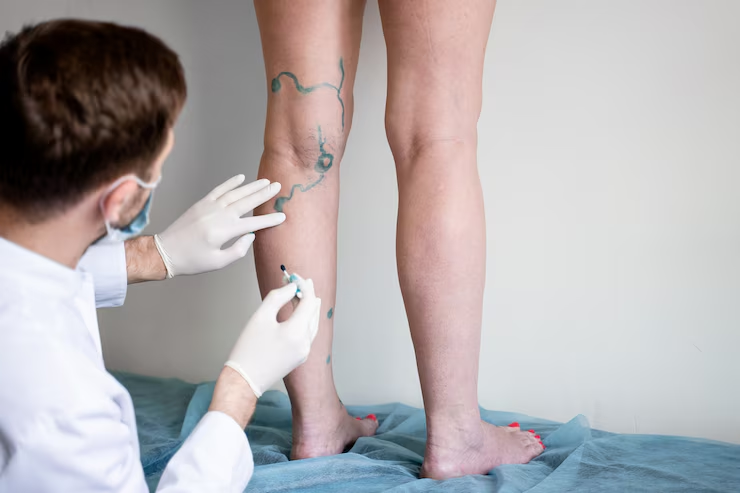
Signs and Symptoms of Venous Disease
Some of the signs and symptoms of venous disease include:
- Pain or tenderness in the leg
- Swelling of the leg
- Increased warmth over the affected leg
- Changes in the skin color
- Fatigue
- Heavy feeling in the legs
- Slow healing leg sores
- Twisted and bulged veins
- Bleeding from damaged veins
Diagnosis of Venous Disease
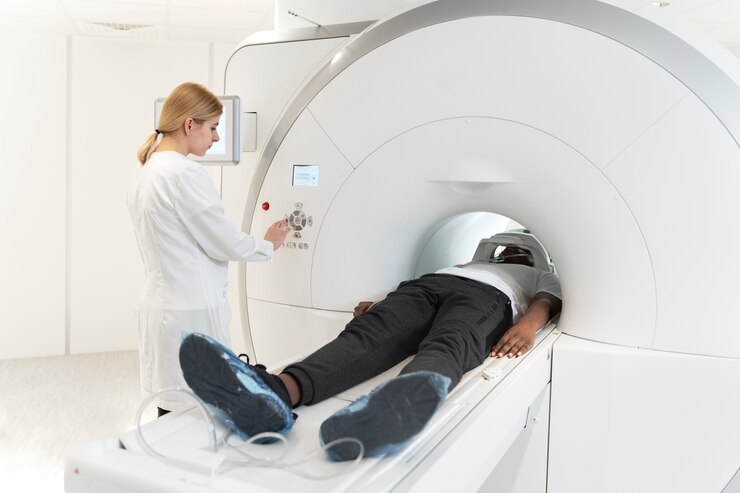
Your doctor will diagnose venous disease based on a review of your medical history, physical examination, and test results. During the physical examination, your doctor will check your legs for swelling, tenderness, or skin discoloration. You may also undergo diagnostic tests, such as:
Treatment for Venous Disease
Depending on the condition and severity of your symptoms, your doctor may recommend the following conservative treatments:
- Moving legs often and keeping yourself active
- Wearing compression stockings to reduce swelling
- Avoiding sitting or standing for long periods
- Treating any infections and open wounds immediately
- Losing weight in case you are overweight
- Exercising regularly, which increases blood circulation to the legs
- Avoiding tight clothes which may hinder circulation
- Prescription medications to prevent and dissolve clots in your veins, as well as reduce swelling
- Following a healthy diet high in fiber/a Mediterranean diet can help reduce a person’s risk of developing venous disease
In case you have a severe venous disease then your doctor may suggest the following minimally invasive or surgical treatments
1
Ablation
This is the use of heat energy to close off the vein by destroying it, and the vein disappears gradually.
2
Sclerotherapy
The veins harden and then disappear when saltwater/saline is injected.
3
Vein stripping
Small surgical incisions are made to remove the damaged vein in the leg.
4
Valve repair
A small cut is made to repair the damaged vein valve in the leg.
5
Angioplasty and stenting
This procedure uses a small balloon to broaden the blocked vein and increase the blood flow. A metal mesh is used to prevent narrowing of the vein in the future.
6
Bypass
A surgery which is used to reroute the flow of blood around the damaged or blocked vein.