


Atherectomy
What is Atherectomy?
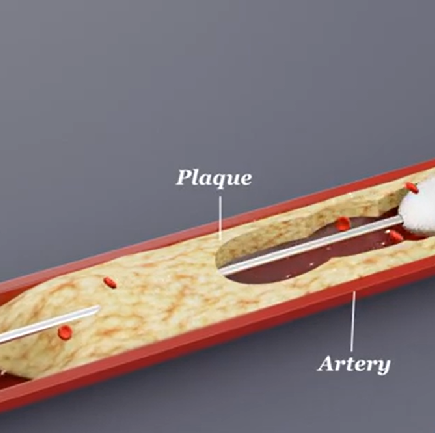
An atherectomy is a minimally invasive surgical procedure to remove plaque from inside an artery.
Arteries are the blood vessels that carry oxygen-rich blood from the heart to all parts of the body. Healthy arteries are normally flexible and smooth on the inside. However, plaque (deposits of cholesterol, calcium, and fibrous tissue) can build up on the inner walls of the arteries, a condition called atherosclerosis. The plaque can cause the arteries to harden, stiffen, and narrow, reducing or completely blocking the flow of blood through them. This can result in arterial conditions such as peripheral artery disease (PAD) and coronary artery disease (CAD).
An atherectomy is a procedure to treat atherosclerosis and its associated conditions using a thin, long tube called a catheter with tiny rotating blades or a laser on its end to remove plaque from the artery and restore normal blood flow. The procedure carries several benefits, including minimal pain, a shorter hospital stay, quick recovery time, and reduced risk of infection and blood loss.
Types of Atherectomy
There are 4 types of atherectomy based on the type of device used with the catheter to remove the plaque from the blood vessel.
Indications for Atherectomy
Atherectomy is indicated to treat narrowed arteries associated with PAD and CAD that cannot be treated with:
- Angioplasty and Stenting: A procedure where a thin tube with a balloon and/or stent (a small mesh tube) is inserted through a large artery in the leg to widen the area of blockage.
- Bypass Surgery: A procedure where the blood vessel is re-directed around the blockage.
Atherectomy is sometimes used as a complement to angioplasty and stenting where hardened plaque is first removed to an extent to allow the insertion of the balloon and stent, which are then expanded to widen the artery and improve the blood flow.
Preparation for Atherectomy
Preoperative preparation for atherectomy may involve the following steps:
- A thorough examination is performed by your doctor to check for any medical issues that need to be addressed prior to surgery.
- Depending on your medical history, social history, and age, you may need to undergo tests such as bloodwork and imaging to screen for any abnormalities that could compromise the safety of the procedure.
- You will be asked if you have allergies to medications, anesthesia, contrast dye, or latex.
- You should also inform your doctor of any medications or supplements you are taking or any conditions you have such as heart or lung disease.
- You may be asked to stop taking blood-thinners, anti-inflammatories, aspirin, or other supplements for a week or two.
- You should not consume solids or liquids at least 6 hours prior to the procedure.
- Arrange for someone to drive you home after the procedure as you may not be fit enough to drive yourself.
- A written consent will be obtained from you after the surgical procedure has been explained in detail.
Procedure for Atherectomy
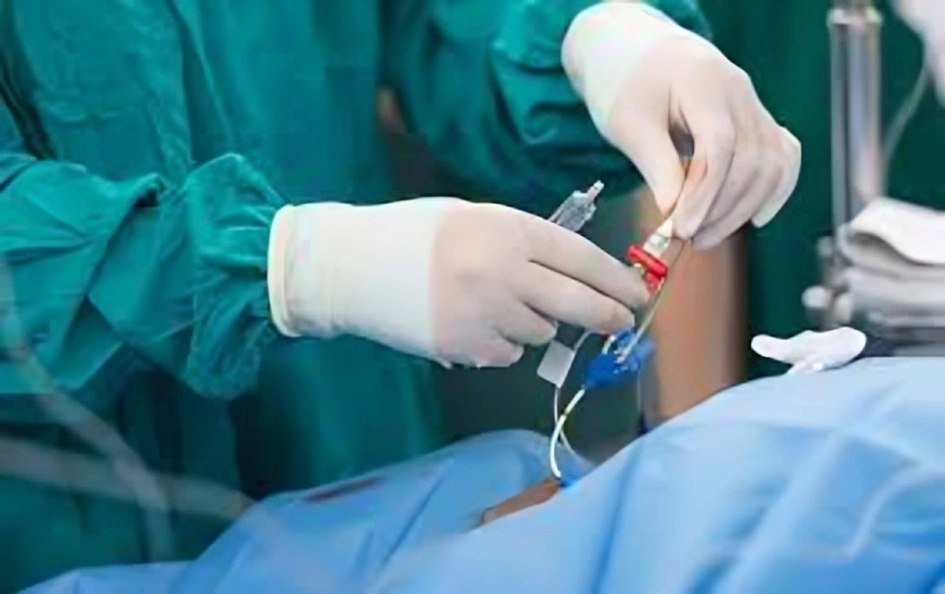
Atherectomy is performed under local anesthesia. A thin guide wire is threaded into the blocked artery with the help of a small needle that is inserted into a blood vessel in the groin area. This guides the catheter to the blockage, at which point a dye is injected into the artery, and X-rays are taken to view the path of the artery.
Using imaging guidance, your surgeon then inserts an atherectomy catheter attached with a blade, grinding bit, or laser filament at its tip through the guidewire to the narrowed part of the artery to scrape away the plaque. Your surgeon may pass the catheter several times to cut away major parts of the hardened plaque. A collecting chamber or suction system at the tip of the catheter removes the plaque particles as they are scraped off. Once the hardened plaque is removed, your surgeon inserts a stent, a tiny mesh tube, to support and keep the artery wall wide open, preventing it from narrowing again. Once the treatment is complete, the catheter is removed and the insertion site is covered with a small bandage.
Postoperative care and Recovery
Following the procedure, you will be shifted to the recovery area where your vital signs and condition is monitored. You may experience swelling, pain or bruising at the catheter insertion site. Medications are provided as needed to address these.
You should be able to go home the day after the surgery and can return to your normal activities in a day or two, but you should refrain from engaging in certain strenuous activities, such as lifting heavy weights. Instructions on surgical site care and bathing will be provided to keep the insertion site clean and dry. Refrain from using a bathtub, hot tub, or pool until the puncture site is healed. You will be advised to take your prescribed medications and make a few lifestyle changes such as quitting smoking, exercising regularly, maintaining a healthy weight, and eating a healthy diet to prevent re-accumulation of plaque materials in the artery. A periodic follow-up appointment will be scheduled to monitor your progress.
Risks and Complications
Atherectomy is a relatively safe procedure; however, as with any surgical procedure, some risks and complications may occur, such as:
1
Bleeding
2
Bruising
3
Infection
4
Embolization
5
Re-blockage of the artery due to plaque formation
6
Heart attack due to closure of the artery
7
Damage or injury to the artery
8
Adverse reaction to local anesthetic or contrast dye

Important Links
Practice Location
- © Dr. Neil Desai, Vascular Surgeon Cypress, Houston, TX