


Vascular Access Catheters
What are Vascular Access Catheters?
Vascular access catheters are defined as thin, flexible tubular devices that are inserted into the body through a vein (a type of blood vessel) to facilitate the administration of blood products, medication, fluids, and other therapies to the bloodstream of patients who require intravenous (IV) access for a considerable length of time (longer than 7 to 10 days). Vascular access catheters spare patients the strain of repeated needle sticks and offer a painless method to deliver medication or draw blood.
A simple intravenous line may be effective for short-term purposes but is not appropriate for long-term utility. When an intravenous line is required for a longer duration and/or a safer venous access is required, a special catheter called a central venous catheter that is normally longer can be utilized. This catheter can stay in place either for a few days (temporarily) or for weeks to even years (long-term) so that it can be accessed easily and repeatedly over the required duration of treatment without the need for repeat skin punctures.
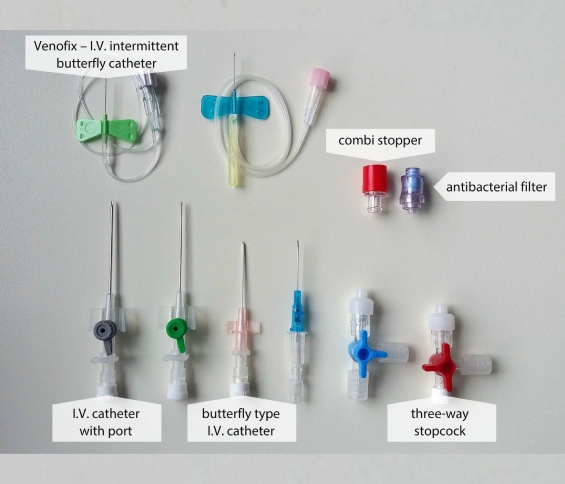
Types of Vascular Access Catheters
Various types of vascular access catheters are available. Your physician will choose the right one for you based on your condition, how long the catheter is required, what it is being used for, and your personal preference. The common types of vascular access catheters include:
Indications for Vascular Access Catheters
Your physician may recommend a vascular access catheter for the following purposes, including:
- Long-term IV feeding for nutritional support
- Delivery of medications into your bloodstream for an extended period
- Administration of anti-cancer drugs or chemotherapy
- Intravenous antibiotic treatment
- Hemodialysis for kidney failure
- Blood transfusions
- Repeated blood draws for laboratory analysis
- You have difficulty maintaining or receiving a simple functional IV line
Preparation for Vascular Access Catheter Procedure
Pre-procedure preparation for vascular access catheter placement may involve the following steps:
- Blood tests to check for normal kidney function, to ensure your blood clots normally, and to obtain other information.
- You need to inform your physician if you have allergies to certain medications, anesthesia, or latex.
- You should also inform your doctor of any medications or supplements you are taking or any conditions you have such as heart or lung disease.
- You may be asked to stop taking blood-thinners, anti-inflammatories, aspirin, or other supplements for a week or two.
- You should not consume any solids or liquids at least 6 hours prior to the procedure.
- Arrange for someone to drive you home after the procedure as you may feel groggy due to the effects of anesthesia.
- Written consent will be obtained from you after the procedure has been explained in detail.
Procedure for Vascular Access Catheter Placement
Depending upon the site of the vascular access (such as arm, neck, or below the collarbone), your physician may carry out the vascular access catheter placement procedure in a hospital room setting or in a catheterization lab so that your physician can use fluoroscopy (live X-ray imaging).
In general, the catheter placement procedure involves the following steps:
- You will lie on your back on the procedure table and the catheter insertion area is cleaned with an antiseptic solution.
- A local anesthetic is used to numb the area. Sedative medicine may also be administered to help keep you comfortable and calm during the procedure.
- Once you are comfortable, your physician will use fluoroscopy or ultrasound imaging to identify the vein for access.
- After identifying the proper vein, a small incision or a puncture is made in the vein and a guidewire is inserted into it.
- The catheter is then threaded into the vein over the guidewire and manipulated to its final position, normally in the superior vena cava, just above the heart.
- Depending on the type of vascular access being used, the catheter may be sutured into place or attached to a port (a small silicone and plastic device that sits underneath your skin).
- Your physician will then utilize stitches or glue to close the small surgical cut or the puncture hole.
- An additional X-ray may also be ordered to ensure that the catheter is placed in the correct position.
Post-Procedure Care and Recovery
Following the procedure, you may experience pain, swelling, and bruising at the catheter insertion site for which your physician will prescribe appropriate medications. These symptoms should resolve in a few days’ time. You may go home the same day after a few hours of observation in the medical facility. You are advised to take ample rest the remainder of the day. You may resume work and your normal daily activities the following day but should refrain from strenuous activities or lifting heavy objects for at least a couple of weeks. You need to call your physician if you notice a fever or other signs of infection such as tenderness, bleeding, and redness at the catheter insertion site. Instructions on incision site care, bathing, and catheter maintenance will also be given to ensure sterile management of the catheter and to protect against catheter-associated infections.
Risks and Complications
A vascular access catheter procedure is a relatively safe procedure; however, as with any procedure, some risks and complications may occur, such as
1
Arterial puncture
2
Pneumothorax
3
Air embolism
4
Abnormal heart rhythm
5
Bleeding
6
Bruising and soreness
7
Wound infection
8
Catheter fracture
9
Accidental catheter dislodgement
10
Catheter occlusion (blockage)
11
Vein occlusion

Important Links
Practice Location
- © Dr. Neil Desai, Vascular Surgeon Cypress, Houston, TX