
Your body has an incredible way of sending distress signals when something isn’t right with your vascular system. The problem? Many people ignore these warning signs until the condition becomes severe. If you’ve noticed unusual leg pain during walks, persistent swelling that won’t go away, or wounds that seem to take forever to heal, your circulatory system might be crying out for help.
Vascular diseases affect millions of Americans, with peripheral artery disease alone impacting over 8.5 million people in the United States. The good news is that early detection and intervention can prevent serious complications like stroke, amputation, or life-threatening blood clots. Recognizing when it’s time to consult a vascular surgery specialist could literally save your life—or at the very least, dramatically improve your quality of life.
1. Persistent Leg Pain or Cramping During Physical Activity (Claudication)

Have you ever experienced a cramping, aching sensation in your legs while walking that disappears when you rest? This isn’t just a sign of aging or being out of shape—it’s called intermittent claudication, and it’s one of the most telling symptoms of peripheral artery disease (PAD).
Claudication occurs when narrowed arteries can’t deliver enough oxygen-rich blood to your leg muscles during physical activity. Think of it like a traffic jam in your circulatory highway—your muscles aren’t getting the fuel they need to function properly. The pain typically manifests in the calves, thighs, or buttocks and often forces people to stop and rest repeatedly during walks.
What makes this particularly concerning is that claudication indicates significant arterial blockage, usually 50% or more. This same process that’s restricting blood flow to your legs could be affecting other vital organs, including your heart and brain. If you find yourself needing to stop frequently during activities you used to handle easily, or if simple tasks like climbing stairs leave your legs burning with fatigue, it’s time to seek expert evaluation from a vascular surgeon Cypress TX.
2. Chronic Leg Swelling, Heaviness, and Discoloration
Waking up with swollen ankles or noticing that your legs feel unusually heavy by the end of the day might seem like a minor inconvenience. However, chronic leg swelling—especially when accompanied by skin discoloration ranging from reddish-brown to dark purple—signals venous insufficiency that demands professional attention.
Venous insufficiency develops when the valves in your leg veins stop working properly, causing blood to pool instead of efficiently returning to your heart. This condition creates a cascade of problems: fluid accumulation in tissues (edema), skin texture changes, persistent aching, and in advanced cases, skin breakdown that can lead to venous ulcers.
Pay special attention if your swelling is asymmetrical (one leg significantly more swollen than the other), if the skin feels tight or hot to the touch, or if you notice visible changes in skin texture or color. These symptoms suggest your venous system is struggling and needs intervention before permanent damage occurs. The specialists at a Vascular surgery clinic Cypress Texas can perform diagnostic ultrasounds to assess your venous function and recommend appropriate treatments ranging from compression therapy to minimally invasive procedures.
3. Non-Healing Wounds or Ulcers on Legs and Feet
Perhaps one of the most alarming vascular warning signs is a wound on your leg or foot that refuses to heal despite weeks or months of home care. These stubborn wounds, known as arterial or venous ulcers, develop when inadequate blood circulation prevents your body’s natural healing mechanisms from working effectively.
Non-healing ulcers typically appear on the lower legs, ankles, or feet and may look like shallow craters with irregular edges. They often feel painful, discharge fluid, and show little to no signs of improvement over time. For individuals with diabetes, high blood pressure, or a history of smoking, these wounds pose an even greater risk—potentially leading to serious infections or, in worst-case scenarios, amputation.
What many people don’t realize is that these wounds aren’t just skin problems; they’re visible evidence of critical circulation issues that require specialized vascular care. Modern wound care combined with procedures to restore proper blood flow can dramatically improve healing outcomes. If you’ve been dealing with a wound that won’t close or keeps reopening, consulting with experienced Vascular Surgeons in Texas should be your immediate priority.
4. Cold Feet, Numbness, or Sudden Temperature Differences
Do your feet constantly feel ice-cold even when you’re wearing warm socks or the room temperature is comfortable? Does one foot feel noticeably colder than the other? These temperature irregularities, especially when accompanied by numbness, tingling, or a pale or bluish skin tone, indicate compromised arterial blood flow that needs immediate evaluation.
Your extremities should maintain relatively consistent temperature because adequate blood circulation naturally warms your tissues. When arteries become narrowed or blocked, blood flow diminishes, causing the affected areas to feel cold to the touch. You might also notice that your toenails grow more slowly, foot hair disappears, or the skin on your feet becomes shiny and thin—all subtle indicators of chronic circulation problems.
Sudden onset of severe coldness in a limb, particularly if accompanied by pain, paleness, and weakness, could signal an acute arterial blockage—a medical emergency requiring immediate intervention. Even gradual temperature changes shouldn’t be dismissed as “just poor circulation.” These symptoms often indicate progressive vascular disease that will worsen without proper treatment from vascular specialists who can perform comprehensive evaluations and interventions.
5. Painful or Symptomatic Varicose Veins
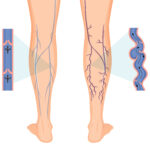
While many people view varicose veins as merely a cosmetic concern, these bulging, twisted veins can signal significant venous disease, especially when they cause discomfort. If your varicose veins are accompanied by persistent aching, throbbing, burning sensations, muscle cramps (particularly at night), or feelings of heaviness in your legs, you’re experiencing symptoms that warrant professional evaluation.
Varicose veins develop when vein walls weaken and valves malfunction, causing blood to flow backward and pool in the veins. Over time, this condition can progress to more serious complications including superficial thrombophlebitis (inflammation and clotting in surface veins), bleeding from varicose veins, or the development of venous ulcers mentioned earlier.
Modern vascular surgery offers numerous minimally invasive treatment options—from endovenous laser therapy to sclerotherapy—that can effectively address both the symptoms and underlying causes of varicose veins. Don’t wait until your varicose veins become severely painful or lead to skin changes before seeking help. Early intervention provides the best outcomes and prevents progression to more advanced venous disease.
Take Control of Your Vascular Health Today
Your circulatory system works tirelessly to keep every cell in your body nourished and functioning. When it sends warning signals—whether through leg pain, swelling, wounds that won’t heal, temperature changes, or problematic varicose veins—listening and responding promptly can prevent minor issues from becoming major health crises.
The good news is that vascular medicine has advanced tremendously in recent years. Many conditions that once required extensive surgery can now be treated with outpatient procedures that have you back to normal activities within days. But these positive outcomes depend on one crucial factor: timely consultation with qualified vascular specialists.
Don’t wait for symptoms to worsen. If you’re experiencing any of the warning signs discussed in this article, schedule a comprehensive vascular evaluation today. The expert team at Dr. Desai’s practice specializes in diagnosing and treating the full spectrum of vascular conditions using the latest evidence-based techniques. Your legs—and your overall health—deserve expert care from professionals who understand that vascular wellness is fundamental to your quality of life.
Ready to take the next step? Visit Vascular Surgeon of Houston to schedule your consultation with Dr. Neil Desai, a board-certified vascular surgeon committed to providing exceptional, personalized care for patients throughout the Houston and Cypress areas. Your journey to healthier circulation and symptom-free living starts with a single appointment.
-

5 Intense Workouts That May Be Harming Your Vein Health
-

10 Daily Habits That Help Prevent Varicose Veins Naturally
-

7 Tips for Healthy Legs During Long-Distance Travel
-

How to Reduce Leg Swelling (Edema) Fast at Home: 7 Proven Methods
-

10 Anti-Inflammatory Foods That Protect Your Blood Vessels
-
5 Signs of Poor Circulation and How to Fix It
-

15 Yoga Poses to Improve Blood Circulation in Your Legs
-

10 Things You Can Do Today for a Healthier Heart and Better Flow
-

7 Effective Exercises for Chronic Venous Insufficiency
-

10 Superfoods That Improve Your Blood Circulation Naturally
-
Blood Clot in Leg Treatment in Houston: Expert DVT Care 2026
-
How Laser Ablation Can Help with Chronic Pain: Houston’s Leading Solutions
-
How Diabetes Affects Your Vascular Health
-
What Causes Varicose Veins in Your Legs?
-

Top 5 Signs You Need to Consult the Best Doctor for Vascular Surgery
-

Top 10 Vascular Surgeons in Texas: A Comprehensive Guide
-
5 Key Factors to Consider When Choosing the Best Vein Specialist
-
The Causes, Symptoms, and Treatments of Peripheral Venous Disease
-
Expert Limb Preservation Services in Houston Hospitals
-
Top 5 Vein Specialists in Houston: Expert Guide 2026
-
What Should I Expect During Pulmonary Embolism Treatment in 2026
-
Top 10 Vascular Surgeons in Texas | Best Vascular Specialists 2025
-
Choosing Minimally Invasive Vascular Surgery: A Comprehensive Guide
-

Top 5 Houston Vascular Surgeons for Effective Vein Care
-
Top 5 Signs You Need to See a Vascular Surgeon in Houston
-
How to Choose the Best Vascular Surgeon in Houston: A Complete Guide
-
Understanding Vascular Health: When to See a Specialist Like Dr. Desai
-
Why Do I Need to See a Vascular Surgeon for PAD?
-
Top 5 Signs It’s Time for Varicose Vein Treatment
-
How Smoking Affects Your Vascular Health? Discover the Risks of AAA, PAD, and Stroke
-
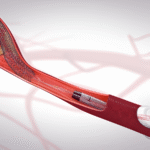
Preventing Strokes with TCAR: Revolutionary Treatment Now Available in Cypress
-
Minimally Invasive Vascular Surgery: Advanced Treatments for Complex Conditions
-
Peripheral Arterial Disease (PAD): What You Need to Know About Symptoms and Treatment
-
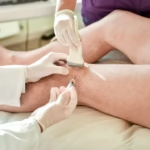
How Endovenous Laser Ablation is Changing Varicose Vein Treatment in Cypress
-

Best Vascular Surgeons in Houston: How to Choose the Right Specialist
-
Houston’s Best Varicose Vein Treatments: Expert Advice for Vascular Health
-

Meet Dr. Neil Desai: Cypress’s Trusted Vascular Surgery Expert
-
Top Solutions for Varicose Veins: Finding the Best Treatment in Houston