Have you noticed swelling in your legs, unexplained numbness in your feet, or wounds that refuse to heal? If you’re living with diabetes, these symptoms might be red flags that your vascular system is crying out for help. The relationship between diabetes and your blood vessels is more critical than most people realize—and understanding this connection could literally save your life.
The Hidden Connection Between Diabetes and Blood Vessels
Diabetes doesn’t just affect your blood sugar levels—it quietly wages war on your entire circulatory system. When glucose levels remain consistently elevated, your blood becomes thicker and more viscous, making it harder for your heart to pump blood efficiently throughout your body. This metabolic disruption sets off a dangerous chain reaction that threatens every blood vessel in your system.
Over 37 million Americans live with diabetes, and research shows that diabetic patients face a significantly higher risk of developing life-threatening vascular complications. The statistics are sobering: people with diabetes are two to four times more likely to develop cardiovascular disease compared to those without the condition.
How High Blood Sugar Damages Your Vascular System
Understanding Atherosclerosis in Diabetics
High blood sugar triggers inflammation throughout your vascular system, causing damage to the delicate inner lining of your blood vessels. This inflammation allows fatty deposits and plaque to accumulate on artery walls—a process called atherosclerosis. Think of it like rust building up inside pipes, gradually narrowing the passageway until blood flow becomes severely restricted.
The excess glucose in your bloodstream acts like microscopic shards of glass, creating tiny tears in blood vessel walls. Your body attempts to repair this damage, but the healing process actually makes vessel walls thicker and less flexible. Over time, these stiffened arteries struggle to expand and contract properly, compromising circulation to vital organs and extremities.
Impact on Large and Small Blood Vessels
Diabetes attacks both macrovascular (large) and microvascular (small) blood vessels with equal ferocity. Large arteries supplying blood to your heart, brain, and legs develop blockages that can trigger heart attacks, strokes, or peripheral artery disease. Meanwhile, tiny capillaries in your eyes, kidneys, and nerves deteriorate, leading to vision loss, kidney failure, and nerve damage.
Common Vascular Complications from Diabetes
Peripheral Artery Disease (PAD)
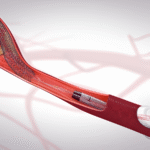
Peripheral artery disease ranks among the most dangerous complications diabetics face. This condition occurs when narrowed arteries dramatically reduce blood flow to your limbs, particularly your legs and feet. Early symptoms include leg cramping during physical activity, cold feet, and slow-healing wounds. Without proper treatment from experienced Vascular Surgeons in Texas, PAD can progress to tissue death, requiring amputation.
Chronic Venous Insufficiency and Varicose Veins
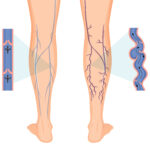
While diabetes doesn’t directly cause varicose veins, uncontrolled blood sugar significantly weakens vein walls and valves, making these unsightly bulging veins more likely to develop. Chronic venous insufficiency occurs when damaged valves prevent blood from efficiently returning from your legs to your heart, causing painful swelling, skin discoloration, and ulcers. If you’re experiencing these symptoms, consulting a vein specialist houston can provide advanced treatment options including varicose vein treatment Houston vascular surgeon specialists offer.
Diabetic Retinopathy
Your eyes contain an intricate network of tiny blood vessels that are particularly vulnerable to diabetes-related damage. Diabetic retinopathy develops when high blood sugar damages these delicate vessels, causing them to leak fluid or bleed. This serious complication remains a leading cause of blindness in working-age adults.
Warning Signs You Shouldn’t Ignore
Pay attention to these critical symptoms that signal vascular problems:
- Leg pain or cramping during walking that disappears with rest
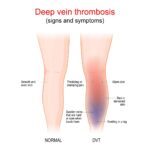
- Persistent swelling in ankles, feet, or legs
- Skin changes including discoloration, unusual warmth, or coolness
- Non-healing wounds or sores on feet or legs
- Numbness or tingling in extremities
- Hair loss on legs and feet
- Shiny, tight skin appearance on legs
Proven Strategies to Protect Your Vascular Health
Blood Sugar Management
Maintaining stable blood glucose levels represents your most powerful weapon against vascular complications. Work closely with your healthcare team to keep your HbA1c levels within target range (typically below 7%). Consistent monitoring, medication adherence, and regular checkups can prevent up to 60% of diabetes-related vascular complications.
Lifestyle Modifications That Work
Exercise regularly: Aim for 150 minutes of moderate-intensity aerobic activity weekly. Walking, swimming, and cycling improve circulation, strengthen blood vessels, and enhance insulin sensitivity.
Adopt a heart-healthy diet: Focus on vegetables, whole grains, lean proteins, and healthy fats while limiting processed foods, sugar, and sodium. This eating pattern reduces inflammation and helps maintain healthy blood pressure.
Quit smoking immediately: Smoking accelerates atherosclerosis and constricts blood vessels, multiplying your risk of vascular complications.
Manage blood pressure and cholesterol: These factors work synergistically with diabetes to damage blood vessels. Keep blood pressure below 130/80 mmHg and cholesterol within recommended ranges.
Take Control of Your Vascular Health Today
Understanding how diabetes affects your vascular health empowers you to take proactive steps before serious complications develop. Don’t wait for warning signs to become emergencies. Regular vascular screenings, diligent blood sugar management, and partnering with specialized healthcare providers can help you maintain healthy circulation and prevent life-altering complications.
If you’re experiencing any vascular symptoms, seeking expert evaluation is crucial. Board-certified vascular specialists can perform comprehensive assessments, identify problems early, and create personalized treatment plans tailored to your unique needs. Remember, protecting your vascular health isn’t just about managing diabetes—it’s about preserving your quality of life, mobility, and independence for years to come.
Ready to take the next step? Schedule a consultation with a qualified vascular specialist who understands the complex relationship between diabetes and circulatory health. Your blood vessels work tirelessly to keep you alive—give them the expert care they deserve.