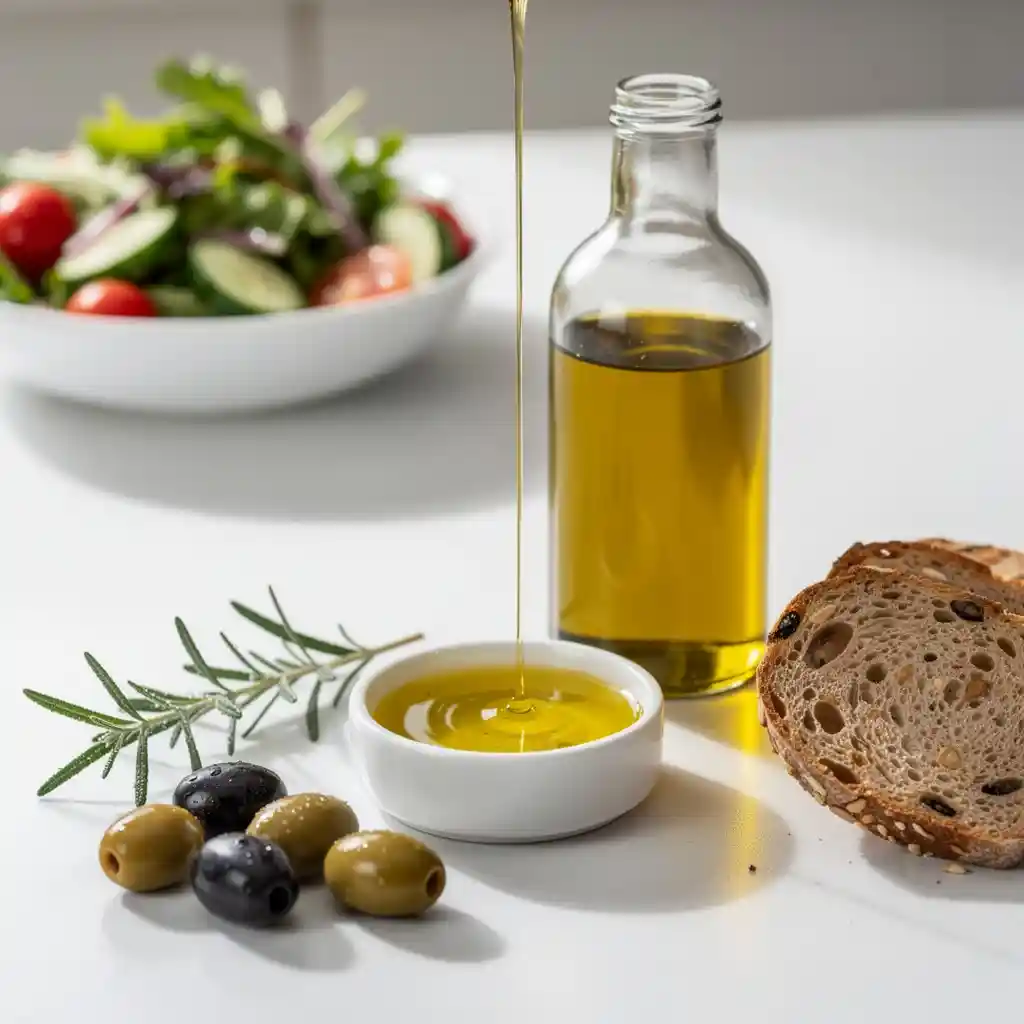
Extra virgin olive oil stands as a cornerstone of Mediterranean diets, which consistently demonstrate cardiovascular benefits. Olive oil’s polyphenol content contributes to improved heart and blood vessel health. Less refined extra virgin varieties contain significantly higher amounts of these protective compounds compared to refined olive oils.
Polyphenols in olive oil reduce oxidative stress and inflammation throughout the vascular system. They also improve endothelial function—the ability of blood vessels to dilate and contract properly—which is essential for healthy blood pressure and circulation.
How to incorporate: Use extra virgin olive oil as your primary cooking fat, drizzle over salads, or dip whole grain bread. Store in a dark, cool place to preserve polyphenol content.
4. Leafy Green Vegetables: Nitrate-Rich Circulation Boosters
Spinach, kale, arugula, and Swiss chard provide dietary nitrates that your body converts to nitric oxide—a molecule essential for blood vessel health. Dietary nitrates may improve blood vessel function and decrease inflammation, helping prevent atherosclerosis.
Nitric oxide helps blood vessels relax and widen, improving blood flow and reducing blood pressure. These greens also supply vitamins K, C, and E, along with minerals like magnesium and potassium that support cardiovascular function.
How to incorporate: Sauté spinach with garlic, add kale to soups and stews, create mixed green salads, or blend into green smoothies. Cooking slightly improves nitrate bioavailability.
5. Nuts: Compact Packages of Heart Protection
Walnuts, almonds, and pistachios deliver impressive anti-inflammatory benefits. These nuts contain properties that support blood vessel health, regulate blood pressure, reduce oxidative stress, and feed beneficial gut bacteria. Walnuts particularly excel with their omega-3 content, while almonds provide vitamin E, a fat-soluble antioxidant.
The combination of healthy fats, fiber, protein, and antioxidants in nuts creates synergistic effects for vascular protection. Studies show regular nut consumption correlates with reduced cardiovascular disease risk and improved cholesterol profiles.
How to incorporate: Enjoy a small handful as a snack, add chopped nuts to salads or yogurt, or use nut butters on whole grain toast. Watch portions as nuts are calorie-dense.
6. Turmeric: The Golden Spice for Inflammation
Curcumin, the active compound in turmeric, possesses potent anti-inflammatory and antioxidant properties. Curcumin may lower inflammation and improve gut health, creating benefits that extend throughout the body. For cardiovascular health specifically, curcumin reduces inflammatory markers associated with atherosclerosis.
A crucial tip: pairing black pepper with turmeric can enhance curcumin absorption by up to 2000%. The piperine in black pepper dramatically increases bioavailability, making this combination essential for therapeutic benefits.
How to incorporate: Add turmeric to curries, soups, and stews. Create golden milk by warming milk with turmeric, black pepper, and honey. Sprinkle on roasted vegetables or rice dishes.
7. Garlic and Onions: Sulfur Compounds for Vessel Integrity
Garlic and onions contain powerful sulfur compounds, particularly allicin in garlic, that provide cardiovascular protection. Allicin stimulates nitric oxide production through specific cellular signaling pathways, improving endothelial function and blood flow.
These sulfur compounds also reduce platelet aggregation, decrease blood pressure, and possess anti-inflammatory properties that counteract pro-thrombotic pathways. Scientists believe these compounds help prevent blood vessel inflammation and inhibit platelet clumping while increasing nitric oxide availability.
How to incorporate: Add minced garlic to sautéed dishes, roast whole garlic cloves, caramelize onions for natural sweetness, or add raw onions to salads and sandwiches.
8. Whole Grains: Fiber-Rich Inflammation Fighters
Oats, quinoa, brown rice, and whole wheat provide fiber that helps regulate blood sugar and reduce inflammation. Consuming oats can significantly reduce atherosclerosis risk factors, including high total and LDL cholesterol.
Whole grains also contain avenanthramides (in oats specifically), which may inhibit inflammatory proteins and adhesion molecules involved in atherosclerosis development. The fiber in whole grains supports healthy gut bacteria, which increasingly appears connected to cardiovascular health through the gut-heart axis.
How to incorporate: Start your day with steel-cut oatmeal, substitute white rice with brown rice or quinoa, choose whole grain bread and pasta, or add barley to soups.
9. Green Tea: Antioxidant Beverage for Daily Protection
Green tea delivers catechins—powerful antioxidants that reduce chronic inflammation throughout the body. Green tea contains antioxidants proven to reduce chronic inflammation, making it an excellent daily beverage for cardiovascular protection.
The catechin EGCG (epigallocatechin gallate) in green tea specifically protects endothelial cells from oxidative damage and improves blood vessel function. Green tea also supports healthy cholesterol levels and blood pressure regulation.
How to incorporate: Brew 2-3 cups daily, choosing unsweetened varieties to avoid added sugars. Drink it warm or iced. Green tea can be enjoyed plain or with lemon, which may enhance catechin absorption.
10. Dark Chocolate: A Delicious Cardiovascular Ally
Dark chocolate with high cocoa content (at least 70%) provides flavonols—antioxidant compounds with cardiovascular benefits. Flavonols may help regulate blood pressure and protect heart health, making dark chocolate a guilt-free treat when consumed in moderation.
The flavonols in dark chocolate improve endothelial function, reduce arterial stiffness, and decrease platelet reactivity. These combined effects support healthy blood flow and reduce cardiovascular disease risk.
How to incorporate: Enjoy 1-2 small squares after meals, add cocoa powder to smoothies or oatmeal, or create homemade energy balls with dates, nuts, and cocoa. Remember that dark chocolate is calorie-dense, so portion control matters.