How to Reduce Leg Swelling (Edema) Fast at Home: 7 Proven Methods
Have you ever looked down at your ankles after a long day and barely recognized them? That tight, uncomfortable feeling when your legs seem twice their normal size is something millions of people experience regularly. The good news? You don’t have to suffer through leg swelling or rush to the doctor for every episode. Most cases of mild leg edema can be managed right in the comfort of your own home with simple, effective remedies that actually work.
Whether your leg swelling comes from standing all day at work, a long flight, or just the summer heat, this guide will show you practical ways to find relief quickly. Let’s explore what causes those swollen legs and, more importantly, how to reduce leg swelling fast using methods you can start today.
7 Fast Ways to Reduce Leg Swelling at Home
1. Elevate Your Legs
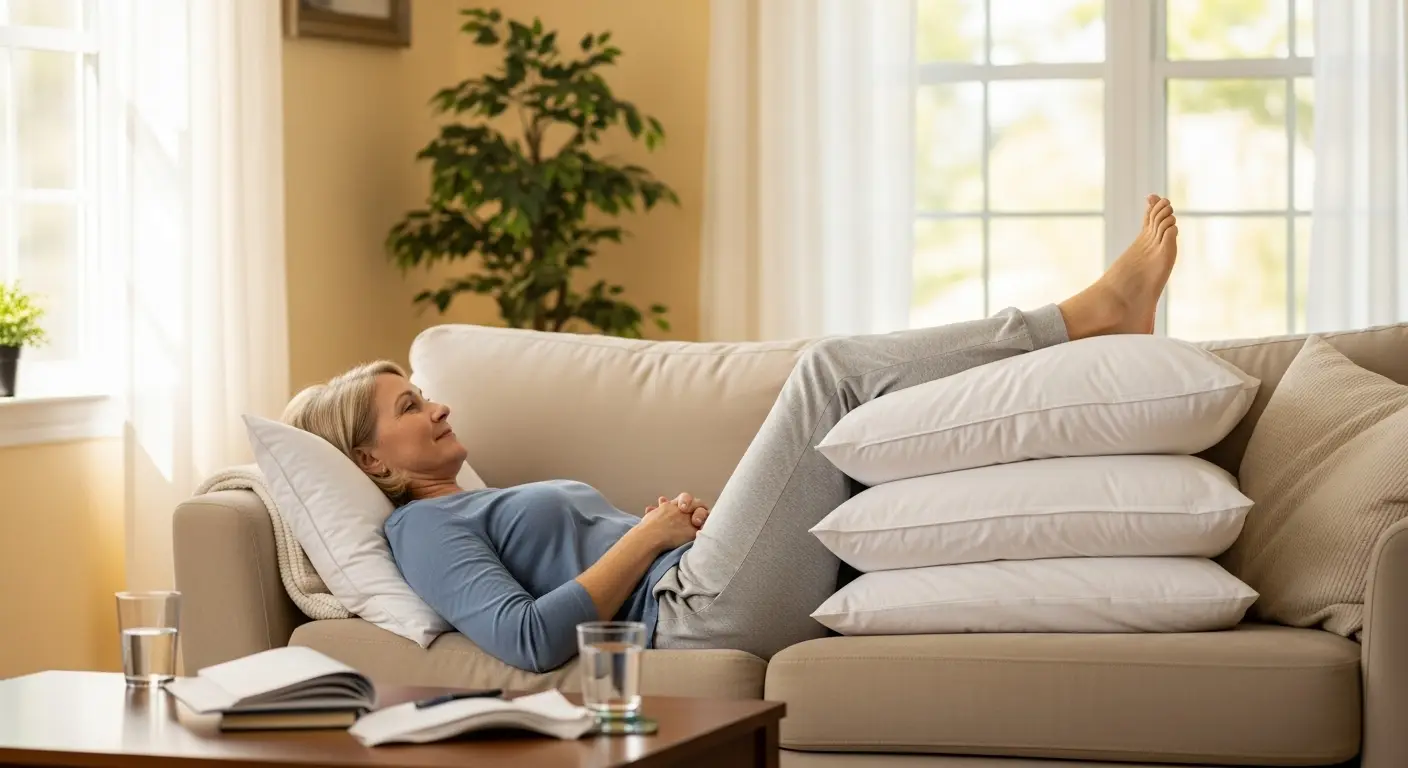
physics. When you raise your legs above the level of your heart, gravity helps pull the trapped fluid back into your circulatory system.
Try this: Lie down on your couch or bed and prop your legs up on pillows. Make sure your feet are higher than your hips. Do this for 15-20 minutes, three to four times daily. You’ll often notice the swelling going down within the first session. Many people find relief by elevating their legs while watching TV or reading—it’s an easy habit that fits into your daily routine.
2. Stay Hydrated
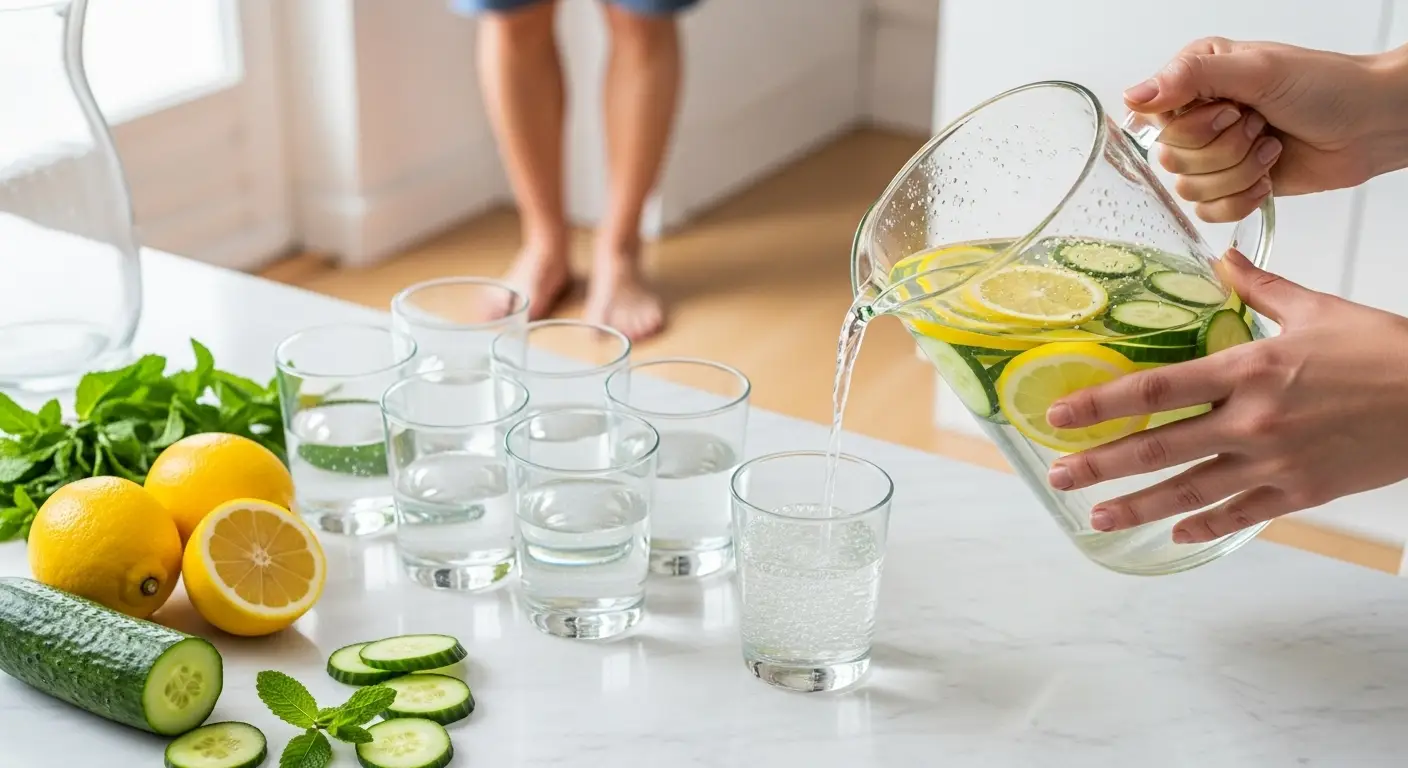
It sounds backward, but drinking more water actually helps reduce fluid retention. When your body doesn’t get enough water, it panics and holds onto every drop it can get, including in your legs and ankles.
Aim for 8-10 glasses of water throughout the day. Your body will realize it’s getting plenty of fluids and will release what it’s been storing. You’ll know you’re drinking enough when your urine is pale yellow. If it’s dark, you need more water.
3. Reduce Salt Intake
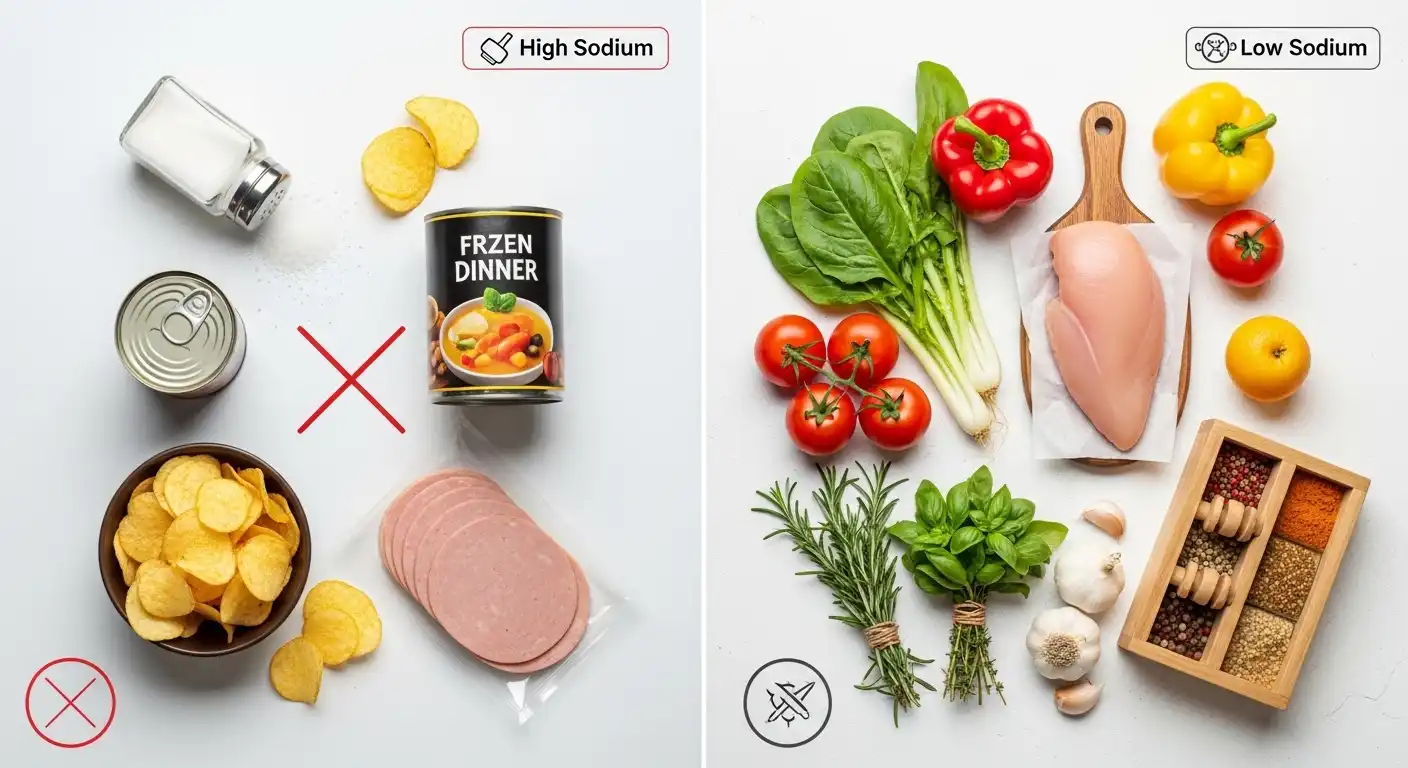
Salt makes your body hold onto water like a sponge. That extra fluid has to go somewhere, and it often settles in your legs, causing swelling.
Try these simple swaps:
- Choose fresh foods over processed meals
- Use herbs and spices instead of table salt
- Read labels—canned soups, frozen dinners, and packaged snacks often hide huge amounts of sodium
- Limit salty snacks like chips and pretzels
Most people consume far more salt than they realize. Cutting back can make a noticeable difference in leg swelling within just a few days.
4. Compression Therapy
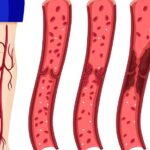
Compression socks or stockings work by gently squeezing your legs, which helps push fluid back up toward your heart. They prevent fluid from pooling in your ankles and feet.
You can buy compression socks at most pharmacies without a prescription. They come in different strengths—mild compression (15-20 mmHg) works well for everyday swelling. Put them on first thing in the morning before swelling starts, and wear them throughout the day. Take them off before bed to let your skin breathe.
5. Gentle Movement and Exercise
Sitting or standing still for hours lets fluid settle in your lower legs. Movement activates your leg muscles, which act like pumps to push fluid back into circulation.
You don’t need an intense workout. Try these simple movements:
- Take short walks every hour, even if it’s just around your house or office
- Rotate your ankles in circles while sitting
- Point and flex your feet repeatedly
- Do calf raises while standing
Even five minutes of movement every hour makes a real difference. If you have a desk job, set a timer to remind yourself to move regularly.
6. Massage Your Legs
A gentle massage helps move trapped fluid out of your legs. The key is to massage in the right direction—always move upward, from your feet toward your knees and thighs, following the natural flow of your circulatory system.
Use your hands to apply firm but comfortable pressure. You can use a bit of lotion or oil to help your hands glide smoothly. Spend 5-10 minutes massaging each leg. This not only reduces swelling but also feels incredibly relaxing after a long day.
7. Apply Cold Compresses
Cold helps reduce inflammation and can provide quick relief from the tight, uncomfortable feeling of swollen legs. The cold makes your blood vessels contract slightly, which can help reduce fluid buildup.
Wrap ice packs or frozen vegetables in a thin towel (never apply ice directly to skin) and place them on your swollen areas for 10-15 minutes at a time. You can do this several times a day. The cold also numbs the area, which helps if your swollen legs feel achy.
Foods That Help Reduce Leg Swelling
What you eat plays a big role in managing leg swelling. Some foods actually help your body release excess fluid naturally.
Natural diuretic foods help flush out extra water:
- Cucumbers and celery (mostly water and very hydrating)
- Watermelon and berries
- Asparagus and leafy greens
- Lemon water
Potassium-rich foods balance out sodium in your body:
- Bananas
- Sweet potatoes
- Avocados
- Spinach and other dark leafy greens
Anti-inflammatory foods reduce overall swelling:
- Salmon and other fatty fish
- Walnuts
- Tomatoes
- Olive oil
Adding these foods to your daily meals gives your body the nutrients it needs to manage fluid balance naturally.
When to See a Doctor
While home remedies work great for mild, occasional leg swelling, some situations need medical attention. Don’t wait to get help if you experience:
- Sudden swelling that comes on quickly
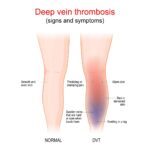
- Swelling in only one leg (especially with pain or warmth)
- Leg pain or redness
- Skin that stays dimpled when you press it
- Shortness of breath or chest pain along with leg swelling
- Swelling that doesn’t improve after several days of home treatment
- Open sores or infections on your swollen legs
These symptoms could indicate blood clots, infections, heart problems, or kidney issues that require immediate medical care. While home remedies are helpful for everyday swelling, persistent or severe leg swelling shouldn’t be ignored. If your symptoms don’t improve within a few days or you experience any warning signs listed above, consult a healthcare professional. For residents in the area experiencing chronic or severe leg swelling, a vascular surgeon in Houston can provide specialized evaluation and treatment options. Your body is trying to tell you something important—listen to it.

Recent Posts
-
How to Reduce Leg Swelling (Edema) Fast at Home: 7 Proven Methods
February 2, 2026 -
10 Anti-Inflammatory Foods That Protect Your Blood Vessels
January 21, 2026 -
5 Signs of Poor Circulation and How to Fix It
January 15, 2026 -
15 Yoga Poses to Improve Blood Circulation in Your Legs
January 9, 2026 -
10 Things You Can Do Today for a Healthier Heart and Better Flow
January 7, 2026 -
7 Effective Exercises for Chronic Venous Insufficiency
December 23, 2025 -
10 Superfoods That Improve Your Blood Circulation Naturally
December 23, 2025 -
Blood Clot in Leg Treatment in Houston: Expert DVT Care 2026
December 19, 2025 -
How Laser Ablation Can Help with Chronic Pain: Houston’s Leading Solutions
December 8, 2025 -
How Diabetes Affects Your Vascular Health
December 3, 2025 -
What Causes Varicose Veins in Your Legs?
December 3, 2025 -
Top 5 Signs You Need to Consult the Best Doctor for Vascular Surgery
December 3, 2025 -
Top 10 Vascular Surgeons in Texas: A Comprehensive Guide
December 3, 2025 -
5 Key Factors to Consider When Choosing the Best Vein Specialist
November 3, 2025 -
The Causes, Symptoms, and Treatments of Peripheral Venous Disease
November 3, 2025 -
Expert Limb Preservation Services in Houston Hospitals
November 3, 2025 -
Top 5 Vein Specialists in Houston: Expert Guide 2026
November 3, 2025 -
What Should I Expect During Pulmonary Embolism Treatment in 2026
September 30, 2025 -
Top 10 Vascular Surgeons in Texas | Best Vascular Specialists 2025
September 12, 2025 -
Choosing Minimally Invasive Vascular Surgery: A Comprehensive Guide
September 11, 2025 -
Top 5 Houston Vascular Surgeons for Effective Vein Care
August 26, 2025 -
Top 5 Signs You Need to See a Vascular Surgeon in Houston
August 19, 2025 -
How to Choose the Best Vascular Surgeon in Houston: A Complete Guide
August 18, 2025 -
Understanding Vascular Health: When to See a Specialist Like Dr. Desai
July 28, 2025 -
Why Do I Need to See a Vascular Surgeon for PAD?
July 21, 2025 -
Top 5 Signs It’s Time for Varicose Vein Treatment
July 7, 2025 -
How Smoking Affects Your Vascular Health? Discover the Risks of AAA, PAD, and Stroke
July 4, 2025 -
Preventing Strokes with TCAR: Revolutionary Treatment Now Available in Cypress
June 23, 2025 -
Minimally Invasive Vascular Surgery: Advanced Treatments for Complex Conditions
June 16, 2025 -
Peripheral Arterial Disease (PAD): What You Need to Know About Symptoms and Treatment
June 10, 2025 -
How Endovenous Laser Ablation is Changing Varicose Vein Treatment in Cypress
June 5, 2025 -
Best Vascular Surgeons in Houston: How to Choose the Right Specialist
June 5, 2025 -
Houston’s Best Varicose Vein Treatments: Expert Advice for Vascular Health
March 10, 2025 -
Meet Dr. Neil Desai: Cypress’s Trusted Vascular Surgery Expert
March 10, 2025 -
Top Solutions for Varicose Veins: Finding the Best Treatment in Houston
March 10, 2025
Contact Us
11. Low Lunge (Anjaneyasana)
This calming pose stretches your entire posterior chain while improving circulation.
How to practice: Sit with legs extended, hinge at your hips, and fold forward over your legs.
Circulation benefits: Stimulates blood flow in legs and spine, reduces stress, and improves vascular health.
Important Links
Practice Location
- © Dr. Neil Desai, Vascular Surgeon Cypress, Houston, TX