5 Intense Workouts That May Be Harming Your Vein Health
Staying active is essential for overall health, but did you know that certain intense workouts might actually be putting stress on your veins? While exercise is generally beneficial for circulation, some high-intensity activities can increase pressure in your veins and potentially worsen existing vein conditions or contribute to new ones. Understanding which workouts pose risks can help you make smarter choices about your fitness routine.
Understanding the Connection Between Exercise and Vein Health
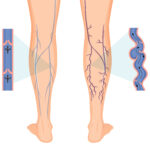
Before diving into specific workouts, it’s important to understand how intense exercise affects your veins. Your veins are responsible for carrying blood back to your heart, working against gravity, especially in your legs. When you perform certain exercises, the pressure inside your veins can increase significantly. This added pressure can weaken vein walls over time and damage the tiny valves that prevent blood from flowing backward.
For people already dealing with varicose veins, spider veins, or other vascular issues, high-pressure exercises can make symptoms worse. Even if you don’t have visible vein problems, repeatedly straining your circulatory system might set the stage for future complications.
Five Intense Workouts That Could Harm Your Veins
1. Heavy Weightlifting and Powerlifting
Lifting extremely heavy weights is one of the most stressful activities for your veins. When you strain to lift heavy barbells, dumbbells, or use weight machines at maximum capacity, you create tremendous pressure inside your abdomen and chest. This pressure, called the Valsalva maneuver (holding your breath while exerting force), pushes blood backward and increases venous pressure throughout your body.
Powerlifters and bodybuilders who regularly perform squats, deadlifts, and bench presses with heavy loads are particularly at risk. The intense straining can cause existing varicose veins to bulge more prominently and may lead to new vein problems over time.
What you can do: Focus on moderate weights with higher repetitions instead of maxing out. Remember to breathe properly during lifts rather than holding your breath.
2. High-Intensity Interval Training (HIIT)
HIIT workouts have become incredibly popular for their efficiency and fat-burning benefits. However, the explosive, high-impact nature of many HIIT exercises can be tough on your veins. Movements like burpees, jump squats, and box jumps create sudden spikes in blood pressure and put repeated stress on leg veins.
The constant switching between intense bursts and rest periods doesn’t give your circulatory system much recovery time. For people with weak vein valves or poor circulation, this pattern can be particularly problematic.
What you can do: Modify high-impact moves to low-impact alternatives. Instead of jump squats, try regular squats. Replace burpees with step-backs.
3. CrossFit and Circuit Training
CrossFit combines heavy lifting, high-intensity cardio, and gymnastics movements, often performed at maximum effort with minimal rest. This combination creates a perfect storm for vein stress. The heavy Olympic lifts increase abdominal pressure, while the intense pace keeps your heart rate and blood pressure elevated for extended periods.
Circuit training with minimal rest between exercises creates similar issues. Your body doesn’t get adequate time to regulate pressure and allow proper blood flow through your veins.
What you can do: Take longer rest periods between exercises and reduce the weight you’re lifting. Listen to your body and don’t push through pain or excessive fatigue.
4. Long-Distance Running on Hard Surfaces
While running is excellent cardiovascular exercise, marathon training and ultra-distance running can take a toll on your veins. The repetitive impact of your feet striking pavement or concrete sends shockwaves up your legs thousands of times during each run. This constant pounding can damage the delicate valves in your leg veins.
Additionally, the prolonged standing position during long runs makes it harder for blood to return from your feet to your heart, increasing venous pressure in your lower legs.
What you can do: Run on softer surfaces like trails, grass, or tracks. Incorporate cross-training activities that are easier on your veins, like swimming or cycling. Wear compression socks during and after long runs.
5. Spin Classes and Intense Stationary Cycling
Indoor cycling classes are designed to push you to your limits with high resistance and fast pedaling. While cycling is generally vein-friendly, the extreme intensity of some spin classes can become problematic. Sitting in a hunched position for extended periods can restrict blood flow, and pushing against very high resistance creates pressure similar to heavy weightlifting.
Standing climbs on the bike, where you’re supporting your full body weight while pedaling hard, combine the worst of both worlds: restricted circulation and high-intensity effort.
What you can do: Reduce the resistance to a moderate level and avoid staying in standing positions for too long. Take breaks to stretch and adjust your position.
Protecting Your Vein Health While Staying Active
The goal isn’t to avoid exercise altogether—physical activity is crucial for maintaining healthy circulation. Instead, focus on moderation and variety. Mix low-impact activities like swimming, walking, and yoga with more intense workouts. Always warm up properly and cool down after exercising.
Pay attention to warning signs like leg heaviness, swelling, cramping, or visible vein changes. If you notice any of these symptoms, it’s worth getting evaluated by a medical professional.
Wearing compression stockings during workouts can help support your veins and reduce pressure buildup. Staying hydrated and maintaining a healthy weight also reduces strain on your circulatory system.
Conclusion
Exercise should enhance your health, not compromise it. While these five intense workouts can potentially harm your vein health, you don’t have to give up fitness entirely. By making smart modifications, choosing appropriate intensity levels, and listening to your body, you can stay active while protecting your veins.
If you’re experiencing vein problems or have concerns about how your workout routine might be affecting your vascular health, don’t hesitate to seek professional guidance. Whether you’re looking for a vascular surgeon Cypress TX, a Vascular Surgeon in Houston, or a Vascular surgery clinic Cypress Texas, getting expert advice can help you maintain both your fitness goals and your vein health for years to come.
Remember, the best exercise routine is one you can maintain safely and consistently throughout your life.

Recent Posts
-
5 Intense Workouts That May Be Harming Your Vein Health
March 4, 2026 -
10 Daily Habits That Help Prevent Varicose Veins Naturally
February 23, 2026 -
7 Tips for Healthy Legs During Long-Distance Travel
February 9, 2026 -
How to Reduce Leg Swelling (Edema) Fast at Home: 7 Proven Methods
February 2, 2026 -
10 Anti-Inflammatory Foods That Protect Your Blood Vessels
January 21, 2026 -
5 Signs of Poor Circulation and How to Fix It
January 15, 2026 -
15 Yoga Poses to Improve Blood Circulation in Your Legs
January 9, 2026 -
10 Things You Can Do Today for a Healthier Heart and Better Flow
January 7, 2026 -
7 Effective Exercises for Chronic Venous Insufficiency
December 23, 2025 -
10 Superfoods That Improve Your Blood Circulation Naturally
December 23, 2025 -
Blood Clot in Leg Treatment in Houston: Expert DVT Care 2026
December 19, 2025 -
How Laser Ablation Can Help with Chronic Pain: Houston’s Leading Solutions
December 8, 2025 -
How Diabetes Affects Your Vascular Health
December 3, 2025 -
What Causes Varicose Veins in Your Legs?
December 3, 2025 -
Top 5 Signs You Need to Consult the Best Doctor for Vascular Surgery
December 3, 2025 -
Top 10 Vascular Surgeons in Texas: A Comprehensive Guide
December 3, 2025 -
5 Key Factors to Consider When Choosing the Best Vein Specialist
November 3, 2025 -
The Causes, Symptoms, and Treatments of Peripheral Venous Disease
November 3, 2025 -
Expert Limb Preservation Services in Houston Hospitals
November 3, 2025 -
Top 5 Vein Specialists in Houston: Expert Guide 2026
November 3, 2025 -
What Should I Expect During Pulmonary Embolism Treatment in 2026
September 30, 2025 -
Top 10 Vascular Surgeons in Texas | Best Vascular Specialists 2025
September 12, 2025 -
Choosing Minimally Invasive Vascular Surgery: A Comprehensive Guide
September 11, 2025 -
Top 5 Houston Vascular Surgeons for Effective Vein Care
August 26, 2025 -
Top 5 Signs You Need to See a Vascular Surgeon in Houston
August 19, 2025 -
How to Choose the Best Vascular Surgeon in Houston: A Complete Guide
August 18, 2025 -
Understanding Vascular Health: When to See a Specialist Like Dr. Desai
July 28, 2025 -
Why Do I Need to See a Vascular Surgeon for PAD?
July 21, 2025 -
Top 5 Signs It’s Time for Varicose Vein Treatment
July 7, 2025 -
How Smoking Affects Your Vascular Health? Discover the Risks of AAA, PAD, and Stroke
July 4, 2025 -
Preventing Strokes with TCAR: Revolutionary Treatment Now Available in Cypress
June 23, 2025 -
Minimally Invasive Vascular Surgery: Advanced Treatments for Complex Conditions
June 16, 2025 -
Peripheral Arterial Disease (PAD): What You Need to Know About Symptoms and Treatment
June 10, 2025 -
How Endovenous Laser Ablation is Changing Varicose Vein Treatment in Cypress
June 5, 2025 -
Best Vascular Surgeons in Houston: How to Choose the Right Specialist
June 5, 2025 -
Houston’s Best Varicose Vein Treatments: Expert Advice for Vascular Health
March 10, 2025 -
Meet Dr. Neil Desai: Cypress’s Trusted Vascular Surgery Expert
March 10, 2025 -
Top Solutions for Varicose Veins: Finding the Best Treatment in Houston
March 10, 2025
Contact Us
11. Low Lunge (Anjaneyasana)
This calming pose stretches your entire posterior chain while improving circulation.
How to practice: Sit with legs extended, hinge at your hips, and fold forward over your legs.
Circulation benefits: Stimulates blood flow in legs and spine, reduces stress, and improves vascular health.
Important Links
Practice Location
- © Dr. Neil Desai, Vascular Surgeon Cypress, Houston, TX