vshouston

5 Signs of Poor Circulation and How to Fix It

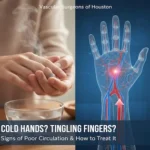
We have all experienced that “pins and needles” sensation after sitting in one position for too long. Usually, a quick shake of the arms or a bit of movement brings the feeling back. But what happens when that icy chill in your fingers doesn’t go away, even when you’re indoors? Or when your hands feel heavy, numb, or unusually pale on a regular basis?

At Vascular Surgeons of Houston, we find that many patients dismiss cold hands as a minor inconvenience of aging or air conditioning. However, your hands are often the “canaries in the coal mine” for your vascular system. Poor circulation in the extremities isn’t just about discomfort; it is a communication from your body about your blood flow efficiency.

In this guide, we will explore the red flags of poor hand circulation, why they happen, and—most importantly—what you can do to restore healthy flow.

1. Recognizing the Signs: Is it Just the Cold, or Something More?

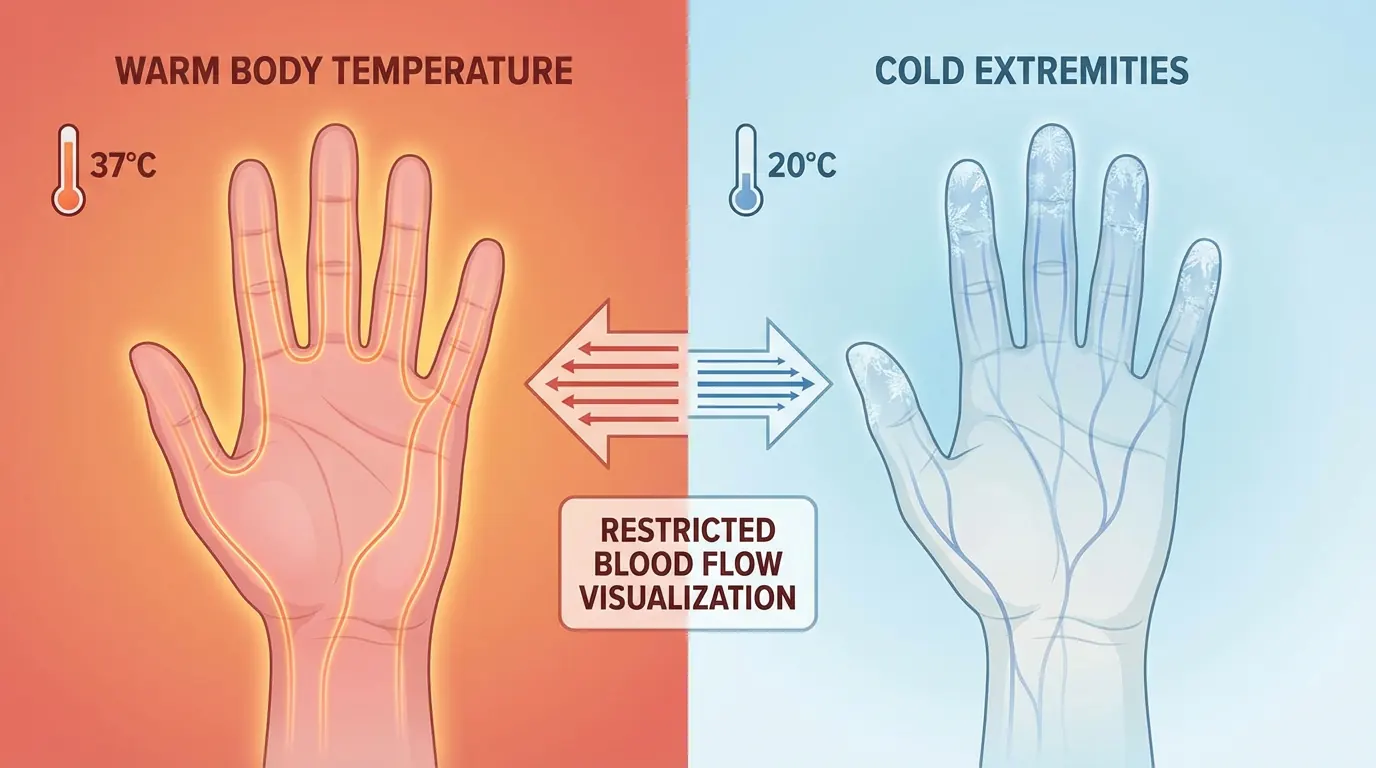
Cold Hands & Circulation Issues

Understanding the symptoms of vascular insufficiency is the first step toward recovery. If you notice these five signs occurring frequently, it may be time to look closer at your circulatory health.

Icy Extremities (Cold Hands)

It is normal for hands to get cold in the winter, but if your hands feel like ice while the rest of your body is warm, it’s a sign that oxygenated blood isn’t reaching your fingertips efficiently. Blood carries heat; when flow is restricted, temperature is the first thing to drop.

Persistent Numbness or Tingling

Often described as “paresthesia,” this is the classic “fallen asleep” feeling. While it can be caused by nerve compression (like Carpal Tunnel), it is frequently a result of blood not reaching the nerves to provide the nutrients they need to fire correctly.

Skin Color Discoloration

Keep a close eye on your skin tone. If your fingers turn ghost-white, blueish-purple, or a deep, angry red, you may be experiencing Raynaud’s Phenomenon—a condition where small arteries in the hands spasm and limit blood supply.

Brittle Nails and Slow Growth

Your blood is the delivery truck for vitamins and minerals. If your fingernails have become brittle, prone to cracking, or seem to have stopped growing entirely, it may be because the “delivery route” to your nail beds is obstructed.

Swelling (Edema)

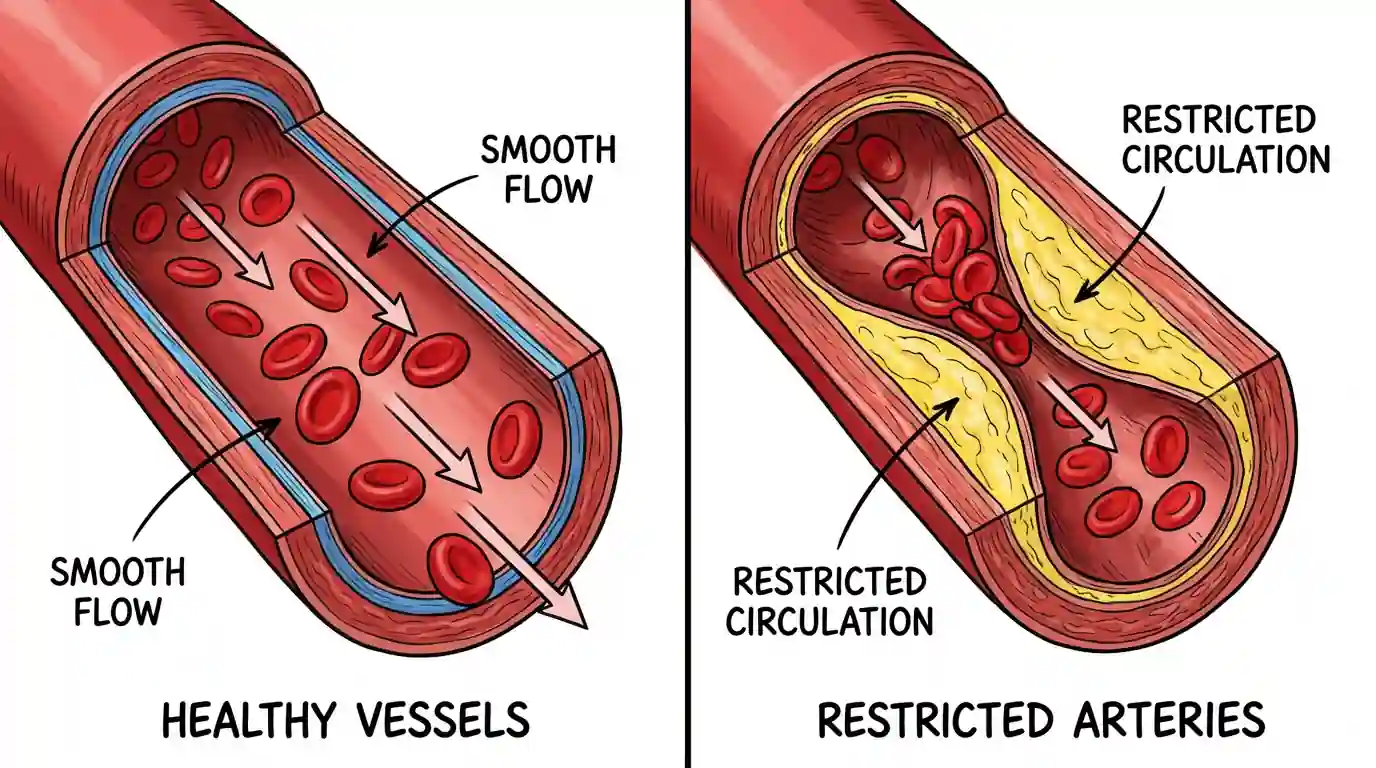
When blood doesn’t move efficiently back toward the heart, it can pool in the extremities. This leads to “tight” skin, puffiness in the knuckles, or difficulty removing rings that used to fit easily.

2. Why Does Circulation Slow Down?

At our Houston practice, Dr. Neil Desai works with patients to identify the “Why” behind these symptoms. Circulation issues generally fall into three categories:

  • Lifestyle Factors: Smoking is one of the leading causes of vascular constriction. Additionally, a sedentary lifestyle or spending 8+ hours a day typing without breaks can lead to “blood stasis” in the arms and hands.
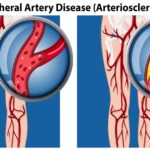
  • Underlying Medical Conditions: Diabetes is a major contributor to vascular damage. Other conditions, such as Peripheral Artery Disease (PAD) or autoimmune disorders like Lupus, can cause inflammation in the vessel walls.

Environmental Triggers: Repetitive strain from tools or keyboards, as well as prolonged exposure to vibration, can damage the micro-vasculature of the hands over time.


3. Immediate Relief: How to Get Blood Moving Right Now

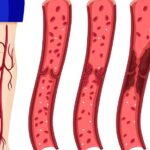
Healthy vs. Restricted Blood Flow

If your hands feel numb or cold right now, try these “quick-fix” methods to stimulate vasodilation (the opening of blood vessels).

  1. The “Windmill” Stretch: Stand up and swing your arms in large, slow circles. The centrifugal force helps “push” blood down into the fingertips.
  2. Hydrotherapy: Soak your hands in warm (not hot) water for 5–10 minutes. This encourages the blood vessels to expand.
  3. Targeted Massage: Using a small amount of lotion, massage your hands starting from the fingertips and working your way up toward the wrist. This assists the venous return of blood toward the heart.

4. Long-Term Strategies for Vascular Health

Temporary fixes are great for comfort, but long-term vascular health requires a foundational approach.

Strategy

How it Helps Your Hands

Hydration

Dehydration makes blood thicker and harder to pump. Staying hydrated keeps blood volume consistent.

Vascular-Friendly Diet

Foods rich in Omega-3 fatty acids (like salmon) and Vitamin E help keep the lining of your arteries (the endothelium) smooth and flexible.

Ergonomic Adjustments

Ensure your elbows are at a 90-degree angle while typing. This prevents “kinking” the arterial flow at the elbow and wrist.
Nitric Oxide Boosters

Leafy greens and beets contain nitrates that the body converts to nitric oxide, a natural vasodilator.

5. When Should You See a Vascular Specialist?

While lifestyle changes can help, some symptoms require professional intervention. At Vascular Surgeons of Houston, we recommend scheduling an evaluation if you experience any of the following:

  • Non-healing sores: Any small cut or ulcer on the finger that takes weeks to heal.
  • Unilateral Symptoms: If the numbness or coldness is significantly worse in one hand than the other (this can indicate a specific blockage).
  • Pain during activity: Cramping or pain in the forearms or hands that occurs when you use them and stops when you rest.
  • Sudden Skin Changes: If a finger turns black or dark blue suddenly, seek emergency care immediately.

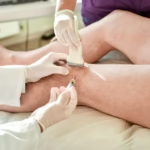
Professional diagnostics, such as a Vascular Ultrasound, can non-invasively map your blood flow and identify exactly where the restriction is happening.

Conclusion: Take Control of Your Flow

Poor circulation in your hands is more than just a discomfort—it is a window into your overall cardiovascular health. By combining movement, proper ergonomics, and a heart-healthy diet, most people can see a significant improvement in how their hands feel.

However, if “home remedies” aren’t cutting it, don’t wait for the problem to progress. Early intervention is the key to preventing long-term vascular damage.

Have you noticed your hands feeling colder as you spend more time at your desk? What stretches have you found helpful? Let us know in the comments below!

Disclaimer: This content is for informational purposes only and does not constitute medical advice. Always seek the advice of a qualified health provider with any questions you may have regarding a medical condition. To schedule a professional consultation, visit vshouston.com.

Recent Posts

Contact Us

11. Low Lunge (Anjaneyasana)

This calming pose stretches your entire posterior chain while improving circulation.

How to practice: Sit with legs extended, hinge at your hips, and fold forward over your legs.

Circulation benefits: Stimulates blood flow in legs and spine, reduces stress, and improves vascular health.