
Living with chronic venous insufficiency doesn’t mean you have to accept constant discomfort and swelling. While this condition affects millions of people, particularly those who spend long hours standing or sitting, there’s good news: the right exercises can make a significant difference in managing your symptoms and improving your quality of life.
When blood struggles to flow back from your legs to your heart, it creates the telltale signs of venous insufficiency—swollen ankles, aching legs, and that heavy feeling that makes even simple tasks feel exhausting. But movement is medicine, and these seven exercises have been specifically chosen because they activate your calf muscles, which act as your body’s natural pump to push blood upward against gravity.
Understanding How Exercise Helps Venous Insufficiency
Before diving into specific exercises, it’s worth understanding why physical activity matters so much for vein health. Your leg muscles work together with your veins to circulate blood efficiently. When you move, your muscles contract and squeeze the veins, helping push blood back toward your heart. This natural pumping action becomes even more critical when vein valves aren’t working properly.
Regular exercise also helps maintain a healthy weight, reduces inflammation, and strengthens the entire cardiovascular system. For anyone dealing with chronic venous insufficiency, incorporating these movements into your daily routine can help reduce swelling, minimize discomfort, and potentially slow the progression of the condition.
The Seven Most Effective Exercises
1. Walking: Your Foundation for Better Circulation
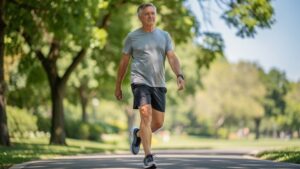
Walking remains the gold standard for managing venous insufficiency, and there’s a reason why every vascular surgeon in Houston TX recommends it. This low-impact activity engages your calf muscles with every step, creating that essential pumping action without putting excessive strain on your joints or veins.
Start with just 15 minutes a day if you’re new to exercise, and gradually work up to 30-45 minutes most days of the week. The key is consistency rather than intensity. A moderate pace where you can still hold a conversation is perfect. Choose comfortable, supportive shoes and walk on even surfaces to minimize any risk of injury.
2. Calf Raises: Strengthening Your Natural Pump
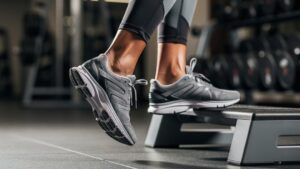
Your calf muscles are often called the “second heart” because of their crucial role in pumping blood upward from your legs. Calf raises specifically target these muscles, making them stronger and more efficient at their job.
Stand with your feet hip-width apart, holding onto a chair or wall for balance if needed. Slowly rise up onto your toes, hold for a couple of seconds, then lower back down with control. Aim for three sets of 15-20 repetitions. You can do these while waiting for coffee to brew, during TV commercials, or whenever you have a spare moment throughout the day.
3. Stationary Cycling: Gentle and Effective
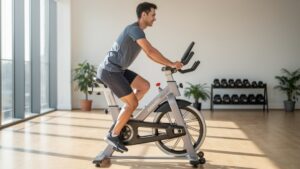
Cycling provides excellent cardiovascular benefits while being gentle on your veins. The circular pedaling motion creates consistent muscle contractions that promote blood flow without the impact of activities like running.
Whether you use a stationary bike at the gym or a recumbent bike at home, aim for 20-30 minutes of moderate-intensity cycling. The beauty of cycling is that you can adjust the resistance to match your fitness level, making it accessible whether you’re just starting out or already quite active.
4. Leg Elevations: Working With Gravity
Sometimes the best exercise is simply letting gravity work in your favor. Leg elevations help reduce swelling by allowing blood to flow more easily back toward your heart, giving your veins a much-needed break.
Lie on your back near a wall and extend your legs up against it, forming an L-shape with your body. Hold this position for 15-20 minutes while you read, listen to music, or practice deep breathing. Many people find this particularly helpful at the end of a long day when legs feel their heaviest. Consulting with Vascular Surgeons in Texas can provide personalized guidance on how often to incorporate this practice into your routine.
5. Swimming: The Complete Low-Impact Workout
Water-based exercise offers unique benefits for venous insufficiency. The hydrostatic pressure of the water naturally compresses your legs, similar to wearing compression stockings, while buoyancy removes stress from your joints and allows for comfortable movement.
Swimming, water aerobics, or even just walking in chest-deep water can all be tremendously beneficial. The water pressure helps push blood up from your legs while you’re moving your muscles. Aim for 30 minutes of water-based activity several times a week if you have access to a pool.
6. Ankle Rotations: Simple Yet Powerful
Don’t underestimate the power of small movements. Ankle rotations activate the muscles around your ankles and lower calves, promoting circulation even when you can’t get up for a full workout.
Sit comfortably and lift one foot off the ground. Slowly rotate your ankle in circles—10 clockwise, then 10 counterclockwise. Repeat with the other ankle. This exercise is perfect for people who work desk jobs or take long flights, as you can do it discreetly without leaving your seat. It’s one of those simple habits that a vascular surgeon in Houston would absolutely encourage for daily vein maintenance.
7. Seated Leg Lifts: Desk-Friendly Circulation Boost
For those times when a full workout isn’t possible, seated leg lifts offer a practical way to keep blood moving. While sitting in a chair, straighten one leg and hold it extended for 10 seconds, then lower it back down. Alternate legs and complete 10-15 repetitions on each side.
This exercise can be done at your desk, while watching television, or any time you’re seated for extended periods. The key is to contract your thigh muscles and hold the position, which helps squeeze blood up through the veins.
Making Exercise a Sustainable Habit
The most effective exercise program is one you’ll actually stick with. Start slowly, especially if you’ve been inactive, and gradually increase duration and intensity as your fitness improves. Listen to your body—some mild muscle soreness is normal, but sharp pain or significant increases in swelling means you should ease back and possibly consult with your healthcare provider.
Consistency matters more than perfection. Even on busy days, doing ankle rotations or a few calf raises is better than nothing. Over time, these movements can become as natural as brushing your teeth, and you’ll likely notice improvements in how your legs feel throughout the day.
When to Seek Professional Help
While exercise is a powerful tool for managing venous insufficiency, it’s not a substitute for proper medical care. If you’re experiencing progressive symptoms, skin changes, non-healing wounds, or significant pain, it’s time to consult with a specialist who can assess your condition and discuss treatment options beyond lifestyle modifications.
Remember, managing chronic venous insufficiency is a journey, not a destination. These seven exercises provide a solid foundation for better vein health, but they work best as part of a comprehensive approach that may include compression therapy, dietary changes, and medical treatments when necessary. The important thing is to take that first step—literally—and commit to moving your body in ways that support healthier circulation.
Your legs carry you through life. By dedicating just a few minutes each day to these targeted exercises, you’re investing in their health and your overall wellbeing for years to come.
-

5 Intense Workouts That May Be Harming Your Vein Health
-
10 Daily Habits That Help Prevent Varicose Veins Naturally
-
7 Tips for Healthy Legs During Long-Distance Travel
-

How to Reduce Leg Swelling (Edema) Fast at Home: 7 Proven Methods
-

10 Anti-Inflammatory Foods That Protect Your Blood Vessels
-
5 Signs of Poor Circulation and How to Fix It
-
15 Yoga Poses to Improve Blood Circulation in Your Legs
-
10 Things You Can Do Today for a Healthier Heart and Better Flow
-
7 Effective Exercises for Chronic Venous Insufficiency
-

10 Superfoods That Improve Your Blood Circulation Naturally
-
Blood Clot in Leg Treatment in Houston: Expert DVT Care 2026
-
How Laser Ablation Can Help with Chronic Pain: Houston’s Leading Solutions
-
How Diabetes Affects Your Vascular Health
-
What Causes Varicose Veins in Your Legs?
-
Top 5 Signs You Need to Consult the Best Doctor for Vascular Surgery
-

Top 10 Vascular Surgeons in Texas: A Comprehensive Guide
-
5 Key Factors to Consider When Choosing the Best Vein Specialist
-
The Causes, Symptoms, and Treatments of Peripheral Venous Disease
-
Expert Limb Preservation Services in Houston Hospitals
-
Top 5 Vein Specialists in Houston: Expert Guide 2026
-
What Should I Expect During Pulmonary Embolism Treatment in 2026
-
Top 10 Vascular Surgeons in Texas | Best Vascular Specialists 2025
-
Choosing Minimally Invasive Vascular Surgery: A Comprehensive Guide
-

Top 5 Houston Vascular Surgeons for Effective Vein Care
-

Top 5 Signs You Need to See a Vascular Surgeon in Houston
-
How to Choose the Best Vascular Surgeon in Houston: A Complete Guide
-
Understanding Vascular Health: When to See a Specialist Like Dr. Desai
-

Why Do I Need to See a Vascular Surgeon for PAD?
-
Top 5 Signs It’s Time for Varicose Vein Treatment
-
How Smoking Affects Your Vascular Health? Discover the Risks of AAA, PAD, and Stroke
-
Preventing Strokes with TCAR: Revolutionary Treatment Now Available in Cypress
-
Minimally Invasive Vascular Surgery: Advanced Treatments for Complex Conditions
-
Peripheral Arterial Disease (PAD): What You Need to Know About Symptoms and Treatment
-
How Endovenous Laser Ablation is Changing Varicose Vein Treatment in Cypress
-

Best Vascular Surgeons in Houston: How to Choose the Right Specialist
-
Houston’s Best Varicose Vein Treatments: Expert Advice for Vascular Health
-

Meet Dr. Neil Desai: Cypress’s Trusted Vascular Surgery Expert
-
Top Solutions for Varicose Veins: Finding the Best Treatment in Houston