vshouston

7 Tips for Healthy Legs During Long-Distance Travel

Long-distance travel can be exciting, whether you’re heading off on a dream vacation or visiting family across the country. However, sitting for extended periods during flights, road trips, or train journeys can take a toll on your legs. Poor circulation, swelling, and discomfort are common complaints among travelers. The good news is that with a few simple strategies, you can keep your legs healthy and comfortable throughout your journey.

Understanding Why Long Travel Affects Your Legs

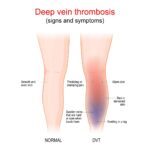
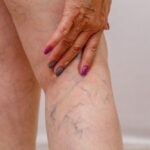
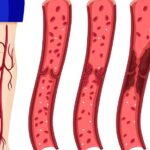
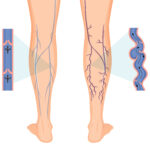
When you sit for hours without moving, blood flow in your legs slows down. This can lead to swelling, stiffness, and in some cases, more serious conditions like deep vein thrombosis (DVT). Your leg muscles act as pumps that help push blood back to your heart, but when you’re sitting still, this natural pumping action decreases significantly. Understanding this connection helps you appreciate why taking care of your legs during travel is so important.

1. Move Around Regularly

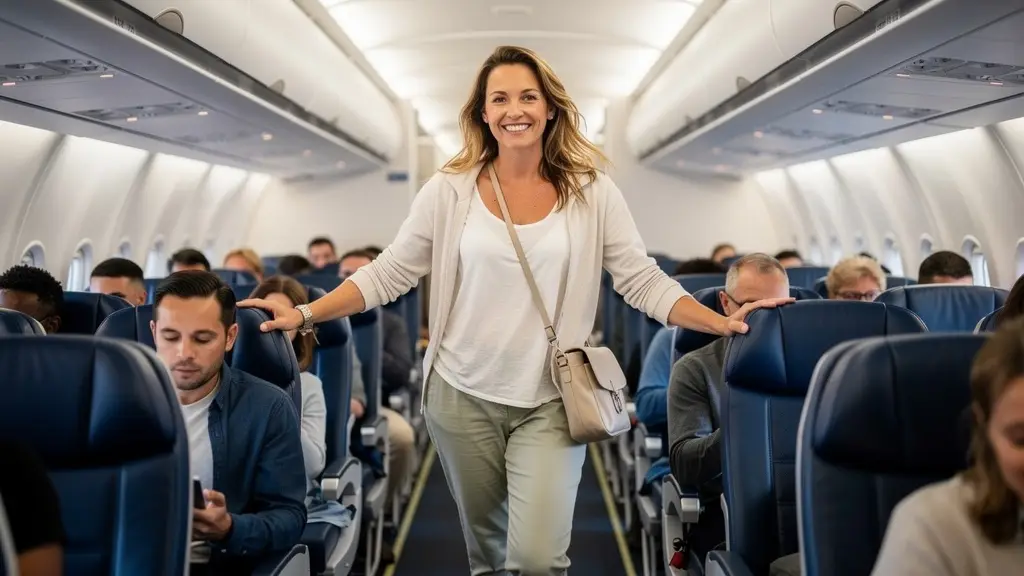
Move Around Regularly

Get up and walk every hour

The single most important thing you can do for your legs during long-distance travel is to move regularly. If you’re on a plane or train, make it a point to stand up and walk down the aisle at least once every hour. Even a short two-minute walk can make a significant difference in maintaining healthy blood flow.

Simple movements while seated

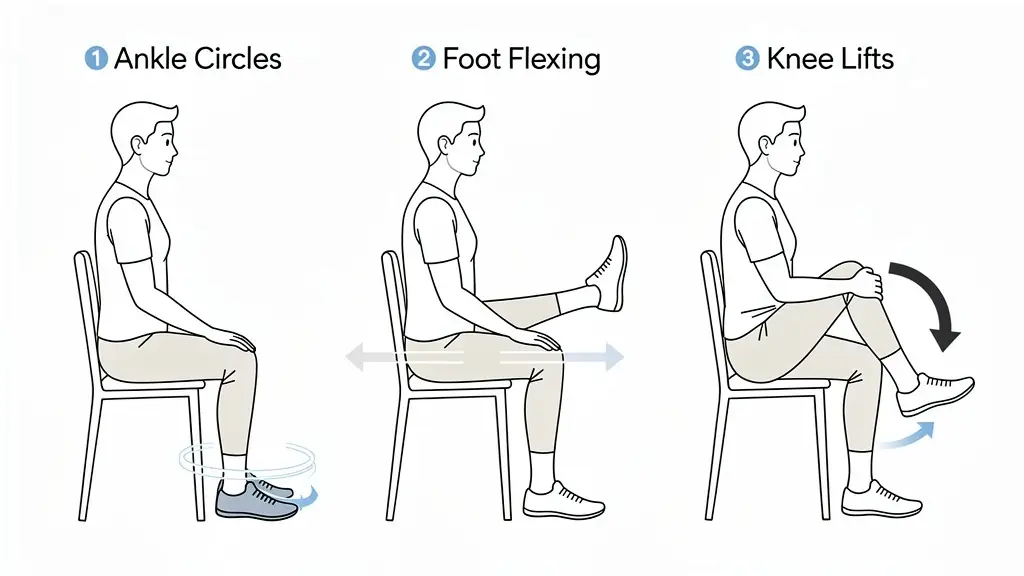
When you can’t get up, perform seated exercises. Try ankle circles, pointing and flexing your feet, or lifting your knees toward your chest one at a time. These small movements activate your calf muscles and help prevent blood from pooling in your lower legs.

2. Stay Well Hydrated

Drinking plenty of water throughout your journey is essential for leg health. Dehydration can make your blood thicker, which increases the risk of clot formation. Aim to drink water regularly, even if it means more bathroom trips. While it might seem inconvenient, those extra walks to the restroom actually provide bonus movement for your legs.

Avoid excessive alcohol and caffeine, as both can contribute to dehydration. If you do enjoy these beverages, make sure to balance them with plenty of water.

3. Wear Comfortable, Appropriate Clothing

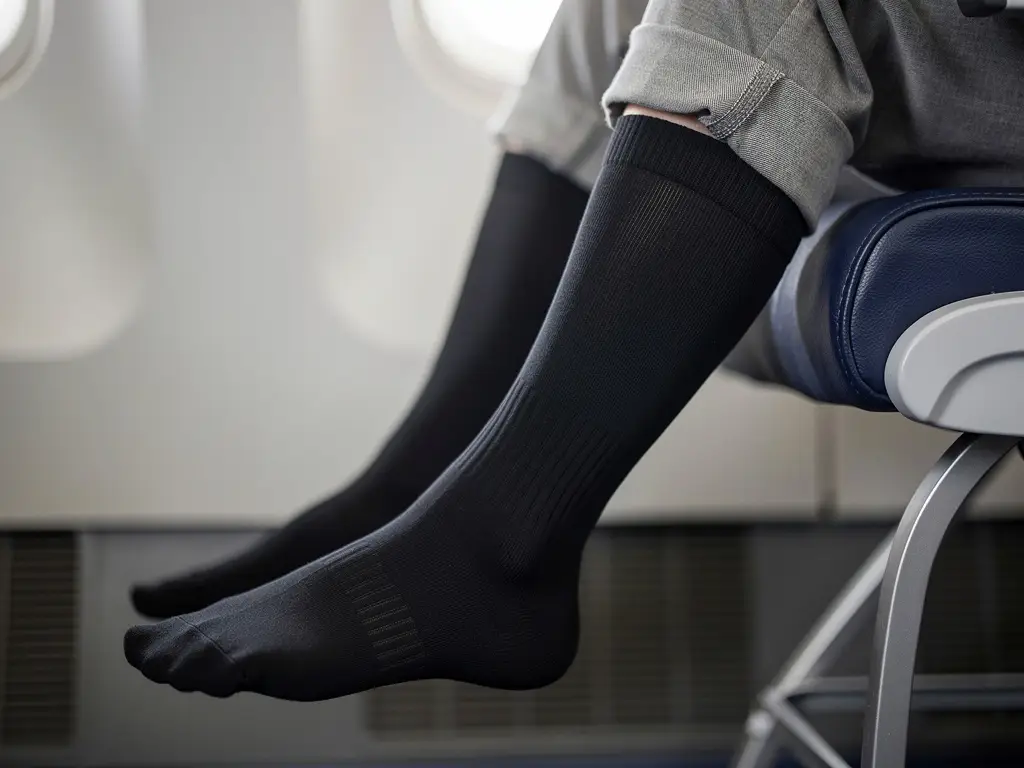
Compression Socks

Choose loose-fitting clothes

Tight clothing, especially around your waist, groin, or legs, can restrict blood flow. Opt for loose, comfortable clothing that allows for easy movement and doesn’t constrict your circulation.

Consider compression socks

Compression socks or stockings are designed to promote healthy blood flow in your legs. They apply gentle pressure that helps push blood upward, reducing swelling and discomfort. Many frequent travelers and healthcare professionals recommend wearing compression socks during long trips, especially for flights over four hours.

4. Choose Your Seat Wisely

Seated Leg Exercises

If possible, select an aisle seat when booking your travel. This gives you easier access to stand up and move around without disturbing other passengers. On planes, seats with extra legroom, such as exit rows or bulkhead seats, allow you to stretch your legs more easily and change positions throughout the flight.

5. Elevate Your Legs When Possible

Whenever you have the opportunity, elevate your legs to help reduce swelling. If you’re on a long road trip, take breaks at rest stops and prop your legs up on a bench for a few minutes. In hotels, lie down and place pillows under your feet to elevate them above heart level. This simple technique uses gravity to help fluid drain from your legs and reduces swelling.

6. Avoid Crossing Your Legs

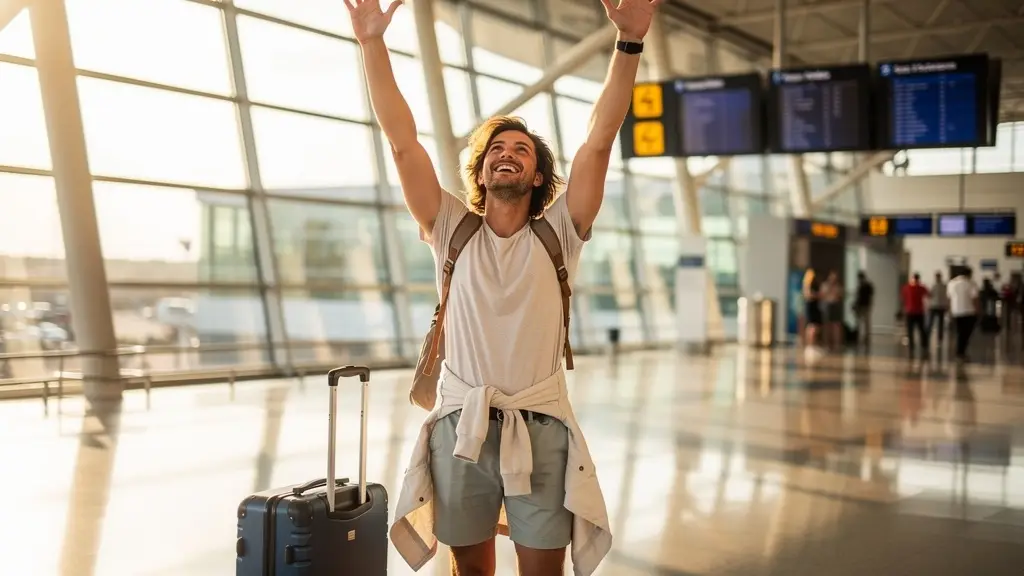
Healthy Arrival

Whenever you have the opportunity, elevate your legs to help reduce swelling. If you’re on a long road trip, take breaks at rest stops and prop your legs up on a bench for a few minutes. In hotels, lie down and place pillows under your feet to elevate them above heart level. This simple technique uses gravity to help fluid drain from your legs and reduces swelling.

6. Avoid Crossing Your Legs

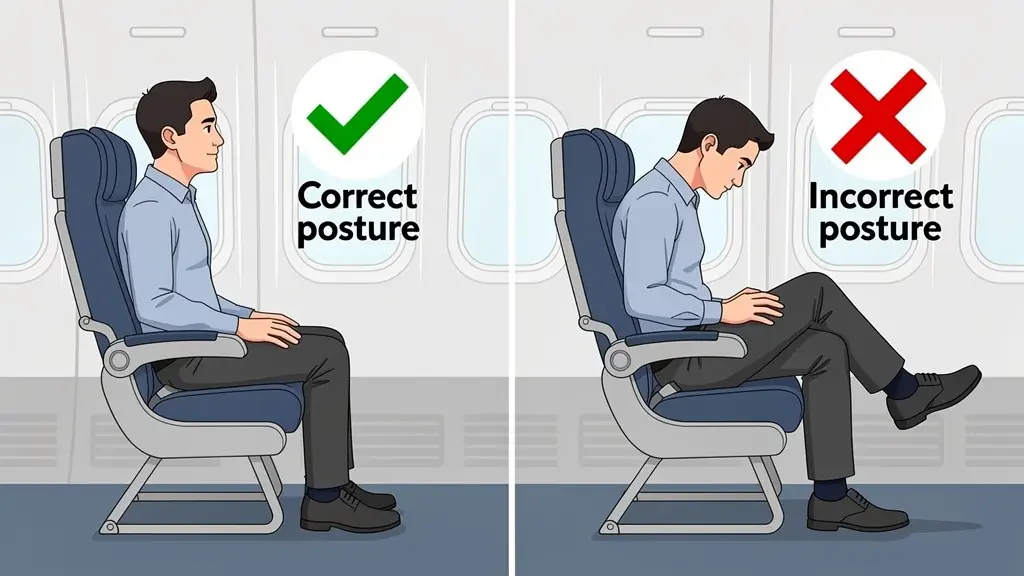
While it might feel natural or comfortable to cross your legs while sitting, this position can restrict blood flow and increase pressure on your veins. Keep both feet flat on the floor or on a footrest instead. This position allows for better circulation and reduces strain on your legs.

7. Maintain a Healthy Lifestyle Before Travel

Prepare your body

The weeks leading up to your trip matter too. Stay physically active with regular walking, swimming, or other exercises that promote leg strength and circulation. Maintaining a healthy weight reduces pressure on your leg veins and decreases your risk of circulation problems during travel.

Know your risk factors

Some people have higher risks for circulation problems during travel, including those with a history of blood clots, recent surgery, pregnancy, or certain medical conditions. If you fall into a higher-risk category, talk with a healthcare professional before your trip about additional precautions you should take.

Conclusion

Taking care of your legs during long-distance travel doesn’t require complicated routines or expensive equipment. By incorporating these seven simple tips into your travel plans, you can arrive at your destination feeling refreshed rather than dealing with swollen, uncomfortable legs. Remember that movement is medicine for your legs, so make it a priority to stay active even while traveling.

If you experience persistent leg pain, swelling, or other concerning symptoms during or after travel, don’t hesitate to seek professional medical attention. For specialized care and evaluation of vascular health concerns, consider consulting with a vascular surgeon Cypress TX or a Vascular Surgeon in Houston. A Vascular surgery clinic Cypress Texas can provide comprehensive assessment and treatment options for any leg circulation issues that may arise.


 

Recent Posts

Contact Us

11. Low Lunge (Anjaneyasana)
This calming pose stretches your entire posterior chain while improving circulation.

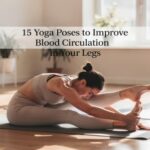
How to practice: Sit with legs extended, hinge at your hips, and fold forward over your legs.

Circulation benefits: Stimulates blood flow in legs and spine, reduces stress, and improves vascular health.