Gravity works against healthy circulation in your legs and feet. Taking time to elevate your legs above heart level for 15-20 minutes several times daily helps reduce pressure on your veins and allows blood to flow more efficiently back to your heart. This simple habit is especially beneficial if your job requires prolonged sitting or standing. You can elevate your legs while watching television, reading, or during work breaks.
3. Avoid Prolonged Sitting and Standing
Whether you sit or stand for extended periods, your circulation suffers. If your job involves staying in one position, take regular breaks to move around. Try to change positions every 30 minutes. When sitting, avoid crossing your legs, as this restricts blood flow. If you must stand for long periods, shift your weight frequently and take walking breaks to keep blood moving through your legs naturally.
4. Wear Compression Stockings
Compression stockings apply gentle pressure to your legs, helping veins push blood back to your heart more effectively. These specially designed garments come in various compression levels and can be worn throughout the day or during exercise. They’re particularly helpful for people with a family history of varicose veins or those whose jobs require extended periods of sitting or standing. Consider wearing them as a preventative measure to support natural circulation.
5. Maintain a Healthy Weight
Excess body weight puts additional pressure on your veins and circulatory system. Carrying extra pounds forces your legs and feet to work harder to pump blood back to your heart. By maintaining a healthy weight through balanced nutrition and regular exercise, you reduce strain on your veins and improve overall circulation naturally. Even modest weight loss can significantly impact vein health.
6. Stay Hydrated and Eat a Healthy Diet
Proper hydration is essential for healthy blood circulation. Drinking adequate water helps prevent blood from thickening and promotes efficient nutrient delivery throughout your body. Additionally, certain foods support vein health naturally. Focus on consuming foods rich in fiber, antioxidants, and vitamin C, such as berries, citrus fruits, leafy greens, and whole grains. Reduce salt intake, as excess sodium can contribute to fluid retention and increase pressure on your veins.
7. Practice Yoga and Stretching
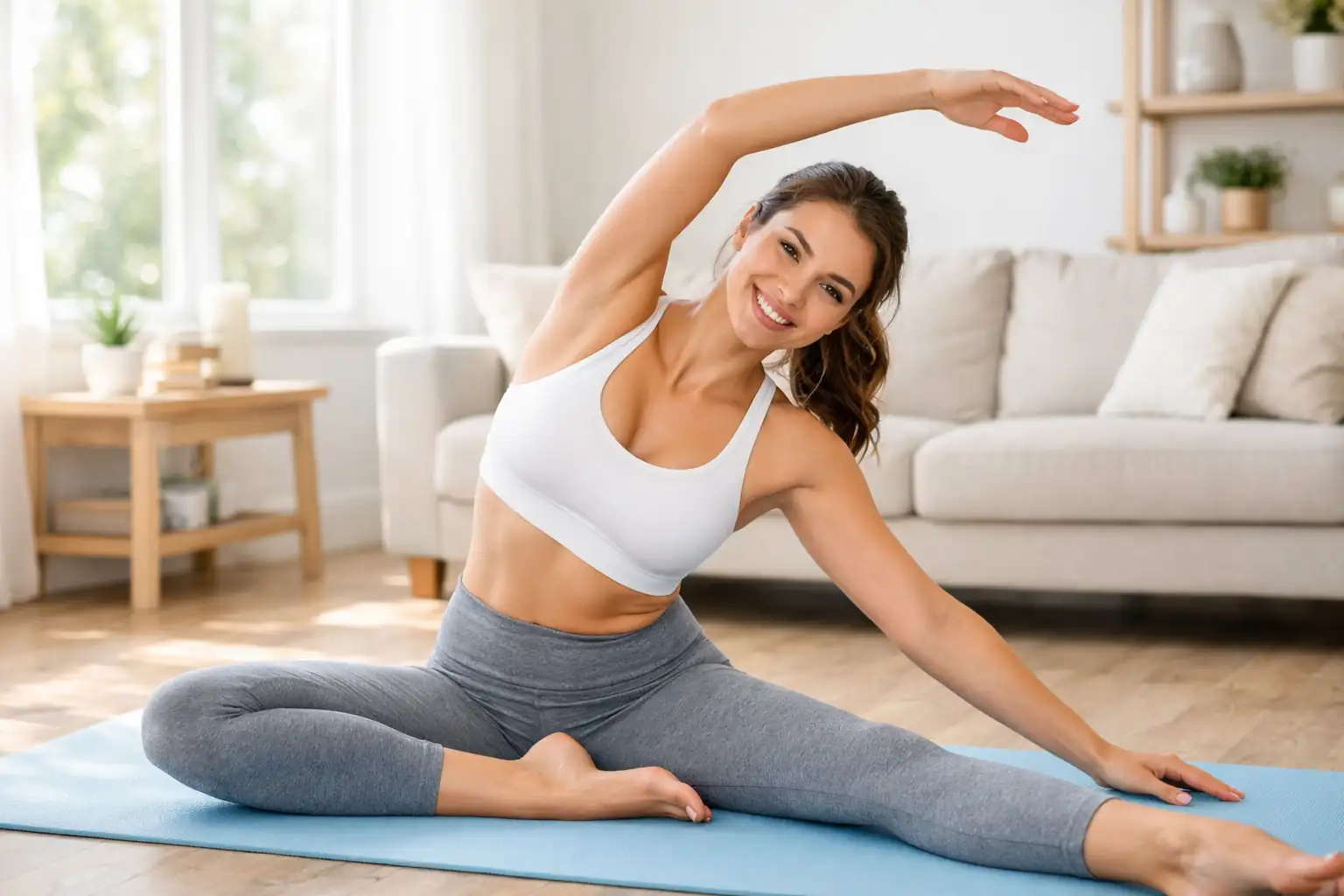
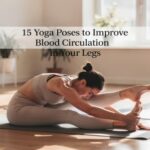
Gentle yoga and stretching exercises improve flexibility and circulation in your legs and feet. Poses that elevate your legs or invert your body help redirect blood flow and reduce venous pressure naturally. Regularly practicing these movements increases blood circulation efficiency and strengthens the muscles that support healthy vein function. Even 15 minutes of daily yoga can make a noticeable difference in your vein health.
8. Take Warm Baths and Use Cold Water Treatments
Alternating between warm and cold water helps strengthen blood vessel walls and improves circulation naturally. Taking warm baths relaxes your muscles, while cold water stimulates blood vessel constriction, improving their elasticity. You can end your regular shower with a brief burst of cold water on your legs to naturally stimulate vein health. This contrast therapy supports your circulatory system’s natural ability to manage blood flow.
9. Manage Stress Effectively
Chronic stress increases inflammation throughout your body, including in your veins. High stress levels can contribute to poor circulation and weakened vein function. Incorporate stress-reduction techniques such as meditation, deep breathing exercises, or mindfulness practices into your daily routine. Even 10 minutes of relaxation daily can significantly improve your overall circulation and vein health naturally.
10. Get Adequate Sleep
Quality sleep is crucial for overall health, including vein function. During sleep, your body repairs tissues and maintains optimal circulation. Poor sleep patterns can impair your cardiovascular system’s ability to function effectively. Aim for 7-9 hours of quality sleep each night to support your body’s natural healing and circulatory processes. Proper rest helps maintain healthy veins and prevents complications naturally.
Conclusion
Preventing varicose veins naturally requires consistent effort and lifestyle modifications, but the results are well worth it. By incorporating these ten daily habits into your routine, you can significantly reduce your risk of developing varicose veins and improve your overall vascular health. Remember that prevention is always easier than treatment.
If you’re concerned about existing varicose veins or need professional guidance on prevention, consulting with a vascular specialist is essential. If you’re in the Texas area, consider reaching out to a vascular surgeon Cypress TX for expert evaluation and treatment options. The team at Vascular Surgeon in Houston offers comprehensive vascular care services. For specialized care and consultation, you can contact dr desai houston at the leading vascular surgery clinic Cypress Texas. Taking proactive steps today, combined with professional medical guidance when needed, ensures your legs remain healthy and free from vascular complications for years to come.