Why Do Varicose Veins Appear in Your Legs?
Have you ever noticed those twisted, bulging blue or purple veins on your legs and wondered what’s happening beneath your skin? You’re not alone. Approximately one in four adults in the United States deals with varicose veins, making it one of the most common vascular conditions Americans face today.
If you’ve been dealing with aching legs, swelling, or visible veins that make you self-conscious, understanding what causes varicose veins is your first step toward finding relief. Let’s explore the real reasons behind this condition and what you can do about it.
Understanding Varicose Veins: What’s Really Happening?
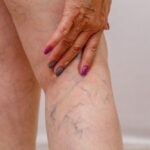
Varicose veins are swollen veins that appear just under the skin in your legs, feet or ankles. They typically look like twisted, rope-like cords that bulge beneath the skin’s surface, often appearing in blue or purple colors.
But what exactly causes these veins to become so enlarged and visible? The answer lies in how your circulatory system works.
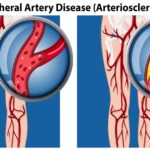
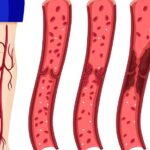
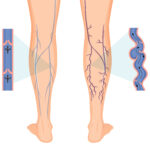
Your leg veins have a challenging job—they need to push blood upward against gravity to return it to your heart. Inside these veins are tiny one-way valves that open to let blood flow up and close to prevent it from flowing backward. When everything works properly, your blood moves smoothly toward your heart.
However, problems arise when these valve doors become weak or damaged. When the valves become weakened or damaged, blood can collect in the veins, causing them to stretch, bulge, and twist—resulting in what we recognize as varicose veins.
The Main Culprits: What Causes Varicose Veins in Your Legs?
Weak Vein Walls and Faulty Valves
The primary cause of varicose veins stems from structural problems within the veins themselves. When the walls of the veins are weak, they lose their normal elasticity and become like an overstretched rubber band. This stretching causes the vein walls to widen, preventing the valves from closing properly.
Think of it like a door that no longer fits its frame—blood can leak backward through the gaps, pooling in your leg veins and creating those characteristic bulges.
Increased Venous Pressure
Varicose veins may form whenever blood pressure increases inside your veins. Several factors contribute to this increased pressure, from prolonged standing to excess body weight, all placing additional stress on your leg veins.
Key Risk Factors You Should Know
Age: The Unavoidable Factor
As we age, our veins naturally lose elasticity and strength. The normal wear and tear of aging may cause the valves in your veins to weaken and not work as well. This explains why varicose veins become increasingly common after age 50.
Family History and Genetics
If your parents struggled with varicose veins, you’re more likely to develop them too. Recent genetic research has identified numerous genetic variants associated with varicose vein development, with the strongest association found in specific genes related to blood pressure regulation.
Gender Differences
Women face a higher risk than men due to hormonal fluctuations throughout life. Hormonal changes that occur during puberty, pregnancy, menopause, or with the use of birth control pills may raise a woman’s chances of getting varicose veins.
Pregnancy: A Temporary Trigger
During pregnancy, the growing baby puts direct pressure on leg veins while hormonal changes relax vein walls. The good news? Pregnancy-related varicose veins often improve within months after delivery.
Body Weight and Lifestyle
Carrying extra weight places additional pressure on your vascular system. Being overweight or obese can put extra pressure on your veins. This can lead to varicose veins. Similarly, jobs requiring prolonged standing or sitting can worsen venous pressure.
Occupational Hazards
Healthcare workers, teachers, retail employees, and others who stand for extended periods face elevated risk. Research shows that standing or sitting in one position forces veins to work harder to pump blood back to the heart.
Recognizing the Warning Signs
Beyond visible veins, varicose veins can cause several uncomfortable symptoms:
- Heavy, tired legs that worsen throughout the day
- Aching or throbbing pain, especially behind the knees
- Swelling in the legs, ankles, and feet
- Itching around affected veins
- Muscle cramps particularly at night
- Skin changes including discoloration near varicose veins
If you notice these symptoms alongside visible veins, it’s time to consult a healthcare professional.
When to Seek Professional Help
While varicose veins aren’t always dangerous, certain situations warrant medical attention. Consult a healthcare provider if you experience:
- Sudden worsening of symptoms
- Bleeding from varicose veins
- Skin ulcers or open sores near affected veins
- Significant pain affecting your daily activities
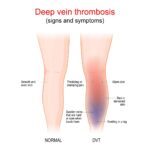
- Signs of blood clots (sudden pain, swelling, redness, or warmth)
Modern Treatment Options Available
Today’s treatments have evolved significantly beyond painful surgical procedures. If you’re in Texas and seeking specialized care, consulting experienced vein specialist houston professionals can provide access to cutting-edge treatment options.
Conservative Management
First-line approaches include:
- Compression stockings that improve circulation
- Regular exercise particularly walking and swimming
- Leg elevation several times daily
- Weight management to reduce venous pressure
Minimally Invasive Procedures
Modern medical advances offer several outpatient options:
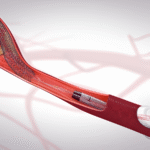
Endovenous Ablation: Uses laser or radiofrequency energy to seal problematic veins closed. This procedure typically requires only local anesthesia and allows same-day recovery.
Sclerotherapy: A solution injected into the vein causes it to collapse and fade over time. This works especially well for smaller varicose veins and spider veins.
VenaSeal: A newer technique using medical-grade adhesive to seal veins, offering less discomfort than traditional heat-based treatments.
Microphlebectomy: Removes varicose veins through tiny incisions, often leaving minimal scarring.
For comprehensive care, working with experienced Vascular Surgeons in Texas ensures you receive personalized treatment plans based on the latest medical guidelines.
If you’re specifically looking for Varicose vein treatment Houston vascular surgeon expertise, modern clinics offer these advanced procedures with high success rates and minimal recovery times.
Take the Next Step Toward Healthier Legs
Ready to address your varicose veins? Schedule a consultation with qualified vascular specialists who can evaluate your specific situation and recommend the most appropriate treatment plan. Your legs carry you through life—they deserve the best care possible.